
Memory Chip Giants Surge Past Trillion-Dollar Valuations Amid AI Infrastructure Boom
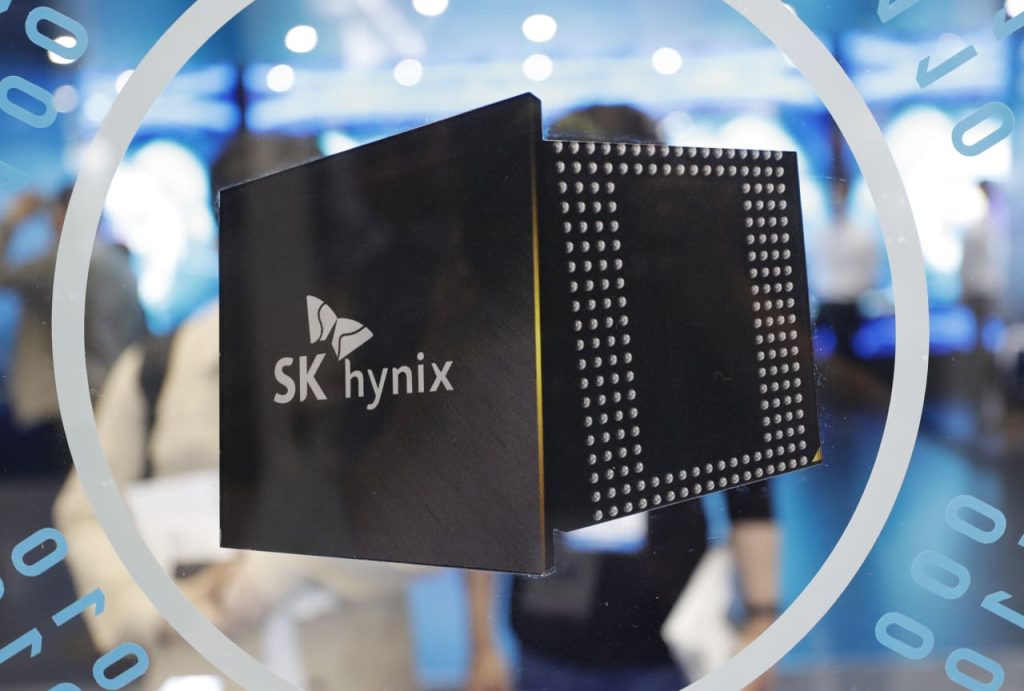
The semiconductor industry witnessed another milestone this week as South Korean memory chip manufacturer SK Hynix rapidly ascended to join the exclusive trillion-dollar market capitalization club, following closely behind its American counterpart Micron Technology. This remarkable surge underscores what I believe is a fundamental shift in how investors view the memory chip sector’s role in the artificial intelligence revolution.
What strikes me most about this development is the speed at which these valuations have materialized. The fact that SK Hynix achieved this milestone in less than a day after Micron demonstrates the intense investor appetite for companies positioned at the heart of AI infrastructure. This isn’t just market speculation – it reflects genuine recognition of these companies’ critical role in powering the next generation of computing.
Why Memory Chips Matter More Than Ever
From my perspective, the surge in memory chip valuations represents a long-overdue acknowledgment of these companies’ strategic importance. High-bandwidth memory chips are absolutely essential for AI applications, from training large language models to running inference workloads in data centers. Without advanced memory solutions, the AI revolution simply cannot progress at its current pace.
This trend particularly benefits investors who understand the infrastructure layer of technology. While many chase the flashier AI software companies, the real value often lies in the picks-and-shovels providers – the companies building the fundamental components that make AI possible. Memory chip manufacturers are exactly that type of investment.
Banking Sector Weighs In on AI Hype
Interestingly, some financial institutions are now arguing that artificial intelligence may actually be underhyped rather than overhyped. This perspective challenges the conventional wisdom that AI stocks are in bubble territory. I find this viewpoint compelling because it suggests we’re still in the early stages of AI adoption across industries.
The banking analysis makes sense when you consider the practical applications we’re only beginning to explore. Enterprise AI deployment is still nascent, and consumer AI applications are evolving rapidly. If this assessment is accurate, memory chip companies could see sustained demand growth for years to come.
Who Benefits Most From This Trend
This development is particularly relevant for institutional investors and technology-focused funds looking for exposure to AI infrastructure. Individual investors who can stomach volatility and have a long-term outlook may also find opportunities here, though they should understand the cyclical nature of the semiconductor industry.
However, this trend isn’t suitable for everyone. Risk-averse investors or those seeking steady dividend income should probably look elsewhere. The memory chip sector is notoriously volatile, with dramatic boom-and-bust cycles that can devastate unprepared investors.
Market Implications and Future Outlook
What concerns me about these rapid valuation increases is the potential for overextension. While I believe the fundamental thesis around AI-driven memory demand is sound, trillion-dollar valuations create enormous expectations that companies must meet. Any disappointment in earnings or guidance could lead to significant corrections.
The global nature of this trend also highlights the international competition in semiconductor manufacturing. South Korean and American companies reaching these valuations simultaneously suggests that AI infrastructure demand is truly global, which should sustain growth across multiple markets.
Looking ahead, I expect continued volatility in memory chip stocks as investors grapple with balancing enormous growth potential against sky-high valuations. The companies that can consistently execute on their AI memory roadmaps while managing supply chain challenges will likely emerge as long-term winners in this evolving landscape.