
PC Manufacturers Scramble to Counter Apple’s Budget Laptop Disruption
The laptop industry is experiencing a significant shake-up, and frankly, it’s about time. Apple’s latest budget-friendly laptop has caught traditional PC manufacturers completely off guard, forcing them to rethink their approach to affordable computing. What we’re witnessing is a fascinating case study in how disruptive pricing can reshape an entire market segment.
I believe this development is particularly significant for budget-conscious consumers who have long been stuck with subpar options in the sub-$700 laptop category. For years, PC makers have treated this price range as a dumping ground for outdated components and compromised designs. Apple’s aggressive pricing strategy has essentially called their bluff, and the industry’s panicked response proves just how complacent they had become.
Intel’s Strategic Response with Wildcat Lake
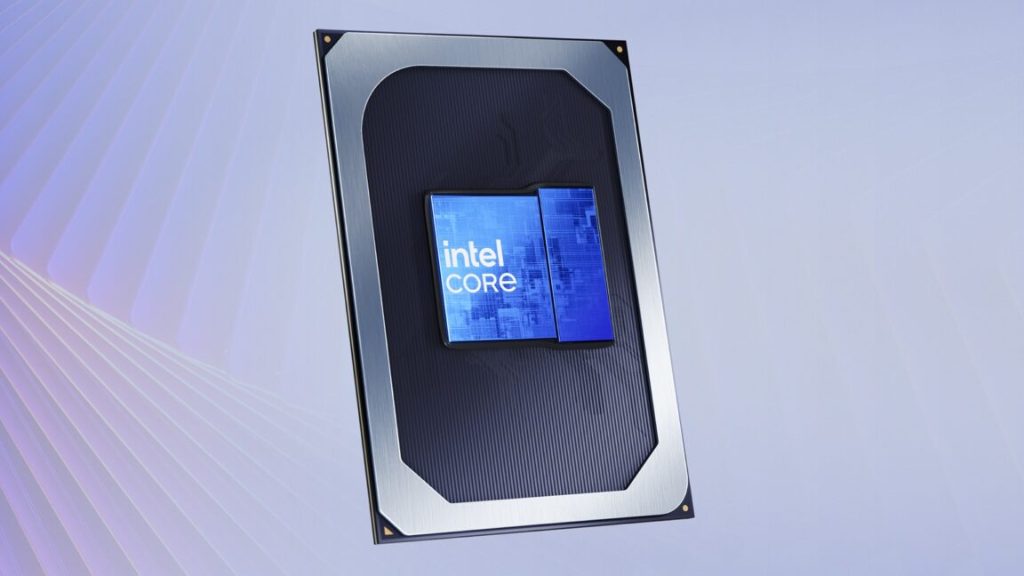
The most promising development in this competitive landscape is Intel’s introduction of its Core Series 3 processors, codenamed Wildcat Lake. Unlike previous generations where budget chips were essentially recycled older technology, these new processors represent genuinely fresh silicon built on Intel’s latest 18A manufacturing process. This is exactly the kind of innovation the budget laptop segment desperately needed.
What impresses me most about this approach is that Intel appears to be taking the threat seriously. Companies like Lenovo, Asus, and HP are already announcing Wildcat Lake-powered systems, though most are being coy about pricing – which tells me they’re still figuring out how to compete effectively. The IdeaPad Slim models with 16GB RAM and 120Hz displays sound promising, but the real test will be whether they can deliver meaningful value at competitive prices.
However, I’m skeptical about the execution. PC manufacturers have a track record of announcing impressive specifications only to deliver disappointing real-world performance or availability issues. The success of these Wildcat Lake systems will depend entirely on whether companies can resist the temptation to cut corners in areas that matter to users.
The Chuwi Challenge
The most intriguing development comes from Chinese manufacturer Chuwi, which claims to offer a Wildcat Lake laptop for just $449. The UniBook, featuring a Core 3 304 processor, 14-inch display, and more ports than Apple’s offering, represents exactly the kind of aggressive pricing that could shake up the market. But here’s where I become cautious – specifications on paper mean nothing if the build quality, software experience, and long-term reliability don’t measure up.
This is where I think many consumers need to be realistic about their expectations. A $449 laptop that looks competitive on paper might be perfect for students or casual users who primarily need web browsing and document editing. However, professionals or power users should probably look elsewhere, as compromises at this price point are inevitable.
Intel’s Project Firefly Initiative
Perhaps the most strategically interesting development is Intel’s Project Firefly program, which aims to standardize reference designs to reduce manufacturing costs. This approach makes perfect sense from an industry perspective – by providing common motherboard layouts and thermal specifications, Intel could help manufacturers avoid expensive custom engineering while passing savings to consumers.
I see this as Intel learning from the smartphone industry’s playbook, where reference designs have enabled rapid innovation and cost reduction. The Centrino and Ultrabook programs proved Intel can successfully influence industry direction, but Project Firefly faces a different challenge: making budget laptops that are actually good, not just cheap.
The key question is whether Intel can maintain quality standards while driving down costs. History suggests that when PC manufacturers focus primarily on hitting low price points, user experience often suffers. Build quality, display panels, keyboards, and trackpads are typically the first casualties in the race to the bottom.
Who Benefits and Who Doesn’t
This market disruption is excellent news for price-sensitive consumers who have been underserved by the laptop industry. Students, casual users, and anyone who needs a reliable machine for basic computing tasks should benefit significantly from increased competition in the budget segment.
However, I don’t think this development will meaningfully impact users who require high-performance computing, professional-grade displays, or specialized features. The compromises necessary to hit aggressive price points mean these budget-focused initiatives won’t replace premium laptops for demanding use cases.
What concerns me most is the potential for a race to the bottom that prioritizes price over user experience. The laptop industry has a troubling history of creating products that are technically functional but genuinely unpleasant to use. Success in this market segment requires finding the right balance between affordability and usability – something that’s proven surprisingly difficult for many manufacturers.
Ultimately, this competitive pressure should benefit consumers, but only if manufacturers resist the temptation to compete solely on specifications and pricing while ignoring the fundamentals that make laptops pleasant to use daily.