
AI Trading Agents Get Real Money Access as Financial Platforms Embrace Autonomous Investment
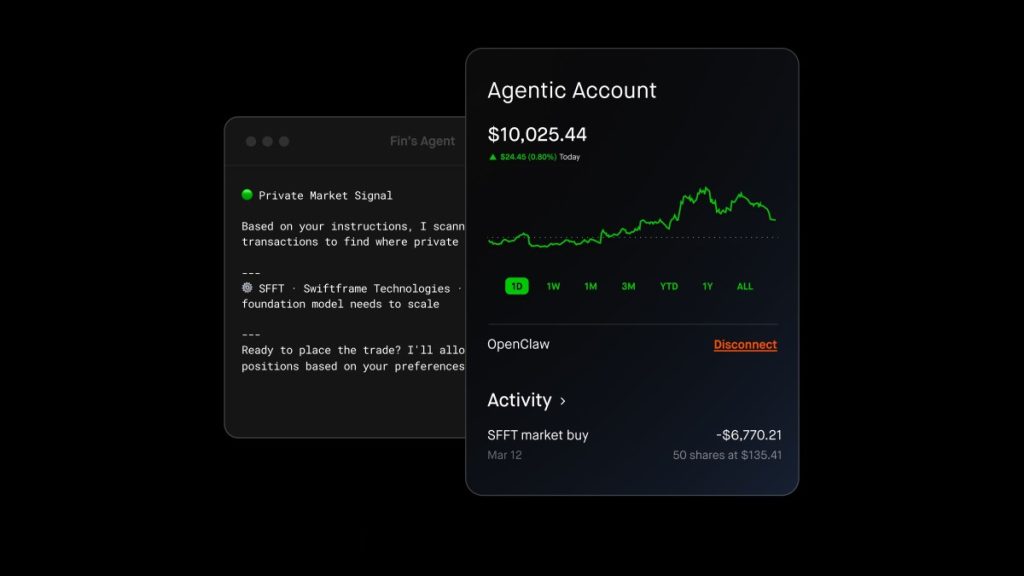
The financial technology sector is witnessing a significant shift as trading platforms begin offering artificial intelligence agents the ability to execute real transactions with actual money. This development represents what I believe is both an exciting leap forward and a potentially dangerous precedent in automated financial services.
One major retail trading platform recently announced support for AI-powered autonomous trading, allowing users to create dedicated accounts for their artificial intelligence agents. These AI systems can analyze portfolios, develop trading strategies, and execute stock purchases using pre-loaded funds in segregated wallets.
From my perspective, this technology addresses a legitimate need for sophisticated investors who want to automate their trading strategies. However, I’m concerned about the implications for novice traders who might not fully understand the risks involved in delegating financial decisions to AI systems.
How AI Agent Trading Actually Works
The implementation involves creating separate accounts specifically for AI agents, complete with dedicated wallets containing predetermined funding limits. These artificial intelligence systems can read and analyze investment portfolios, suggest trading opportunities, and execute transactions within their allocated budgets.
Users receive notifications for all trades executed by their AI agents and can monitor activities through the platform’s interface. For certain transactions, the system requires user approval before execution. The platform has implemented fraud detection measures, including human review of suspicious trading patterns.
I think this approach strikes a reasonable balance between automation and user control, though I question whether the average retail investor truly understands the complexity of what they’re authorizing.
Virtual Credit Cards for AI Payments
Beyond trading, the platform has introduced virtual credit cards designed specifically for AI agent use. This feature allows artificial intelligence systems to make payments on behalf of users, with monthly spending limits and optional approval requirements for each transaction.
Currently available only to premium account holders, these virtual cards represent what I see as the next logical step in AI-powered financial services. However, this development raises serious questions about liability and fraud protection when AI systems make unauthorized or erroneous purchases.
Who Benefits From AI Trading Agents
This technology primarily serves sophisticated investors who have the knowledge and risk tolerance to delegate trading decisions to artificial intelligence. Professional traders, quantitative analysts, and tech-savvy investors with substantial portfolios will likely find significant value in automated execution of complex strategies.
However, I believe this service is inappropriate for beginners or casual investors who lack deep understanding of market dynamics and AI limitations. The potential for significant losses when AI systems make poor decisions could be devastating for inexperienced users.
Industry-Wide Movement Toward AI Payments
This trading platform joins a growing list of financial service providers enabling AI agents to handle monetary transactions. Major payment processors, cloud computing giants, and emerging fintech startups are all developing capabilities that allow artificial intelligence systems to purchase goods and services autonomously.
In my opinion, this trend reflects genuine market demand but also highlights concerning gaps in regulatory oversight. The financial industry is moving faster than regulators can establish appropriate safeguards for AI-powered transactions.
The Risks Nobody’s Talking About
While the convenience of AI trading agents is appealing, I’m deeply concerned about several overlooked risks. Market volatility could trigger AI systems to make rapid, large-scale trades that amplify losses. Technical glitches might result in unintended transactions that are difficult to reverse.
More troubling is the potential for AI systems to develop trading patterns that, while individually logical, create systemic risks when deployed across thousands of accounts simultaneously. This could contribute to market instability in ways we don’t yet fully understand.
The current beta launch supports only stock trading, with plans to expand into options, cryptocurrency, and prediction markets. Each additional asset class introduces new complexities and risks that I believe require careful consideration before widespread adoption.