
Vatican Issues Groundbreaking Call to ‘Disarm’ Artificial Intelligence Technology
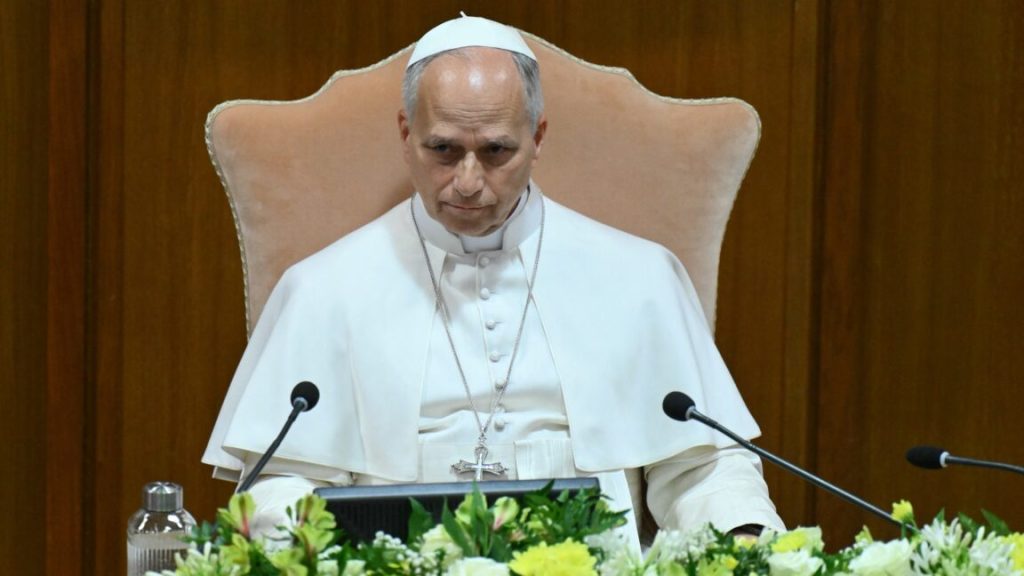
In what I consider one of the most thoughtful religious responses to artificial intelligence we’ve seen, Pope Leo XIV has released his inaugural encyclical demanding that AI be ‘disarmed’ to serve humanity’s collective benefit. This isn’t just another cautionary tale about technology—it’s a comprehensive vision for how we should reshape our relationship with AI entirely.
The 40,000-word document, titled ‘Magnifica Humanitas’ (Magnificent Humanity), deliberately employs the provocative language of disarmament. I think this choice is brilliant because it forces us to confront an uncomfortable truth: current AI development often resembles an arms race more than a humanitarian endeavor. The Pope acknowledges the strong terminology but argues that our moment demands words capable of awakening consciousness and charting new paths forward.
What strikes me most about this encyclical is its unflinching critique of how AI perpetuates colonial power structures. The document exposes how entire regions become subjects of data extraction, where health information, genetic profiles, and demographic details become the ‘new rare earths’ of global power. This perspective is crucial for anyone concerned about technological inequality—and frankly irrelevant for those who believe market forces alone will solve these problems.
Beyond Simple Regulation
The Vatican’s approach goes far deeper than typical regulatory frameworks, which I believe is exactly what’s needed. While governments fumble with piecemeal legislation, this document presents a holistic vision where AI serves human flourishing rather than dominating it. The Pope argues that these systems merely imitate human intelligence without experiencing joy, pain, relationships, or moral conscience—a distinction that matters enormously for how we deploy these tools.
This perspective will resonate strongly with educators, healthcare workers, and community leaders who witness firsthand how technology can either enhance or diminish human connection. However, it may seem overly philosophical to tech executives focused on quarterly earnings or researchers pursuing technical breakthroughs regardless of broader implications.
A Tolkien-Inspired Vision
In a move that surprised many observers, the encyclical quotes J.R.R. Tolkien’s character Gandalf, emphasizing that our role isn’t to ‘master all the tides of the world’ but to uproot evil in the fields we know. This literary reference perfectly captures what I see as the document’s core strength: it calls for local, moral action rather than grand technological solutions.
The Tolkien citation reveals something profound about how religious institutions can contribute to AI discourse. They bring wisdom about human nature that pure technical expertise cannot provide. This matters tremendously for parents, teachers, and community leaders who must navigate AI’s impact on daily life, though it may seem irrelevant to those who view technological progress as inherently beneficial.
Industry Response and Collaboration
The presence of Anthropic co-founder Chris Olah at the document’s release signals something significant about the growing dialogue between technologists and moral leaders. Olah raised three critical questions that I believe every AI company should grapple with: our duty to the global poor, the need for moral imagination regarding human flourishing, and the mysterious nature of AI systems themselves.
Olah’s admission that his research team finds ‘unsettling’ structures within AI models—including internal states resembling human emotions—should give us all pause. This honesty is refreshing and necessary, particularly for those who assume we fully understand the systems we’re building.
Who Benefits From This Approach
This encyclical will prove invaluable for policymakers seeking ethical frameworks, educators developing AI curricula, and healthcare systems implementing AI tools. It offers a comprehensive worldview that prioritizes human dignity over technological efficiency. Religious communities, social workers, and international development organizations will find practical guidance for engaging with AI responsibly.
Conversely, this approach may frustrate Silicon Valley entrepreneurs focused on rapid scaling, investors seeking maximum returns, or researchers who view ethical considerations as obstacles to innovation. The document’s call for ‘disarmament’ directly challenges business models built on data extraction and technological dominance.
What I find most compelling is the Pope’s invitation to ‘walk together’ with technologists rather than simply condemning their work. This collaborative approach could bridge the gap between moral leadership and technical innovation—something our society desperately needs as AI becomes increasingly powerful and pervasive.
The encyclical’s timing, released on the anniversary of a historic document addressing capitalist upheaval, suggests the Church views AI as this generation’s defining challenge. Whether you’re religious or not, the questions it raises about human dignity, global equity, and technological power deserve serious consideration from anyone shaping our AI-driven future.