
Major Airline Expands California Wine Country Access with New Route Launch
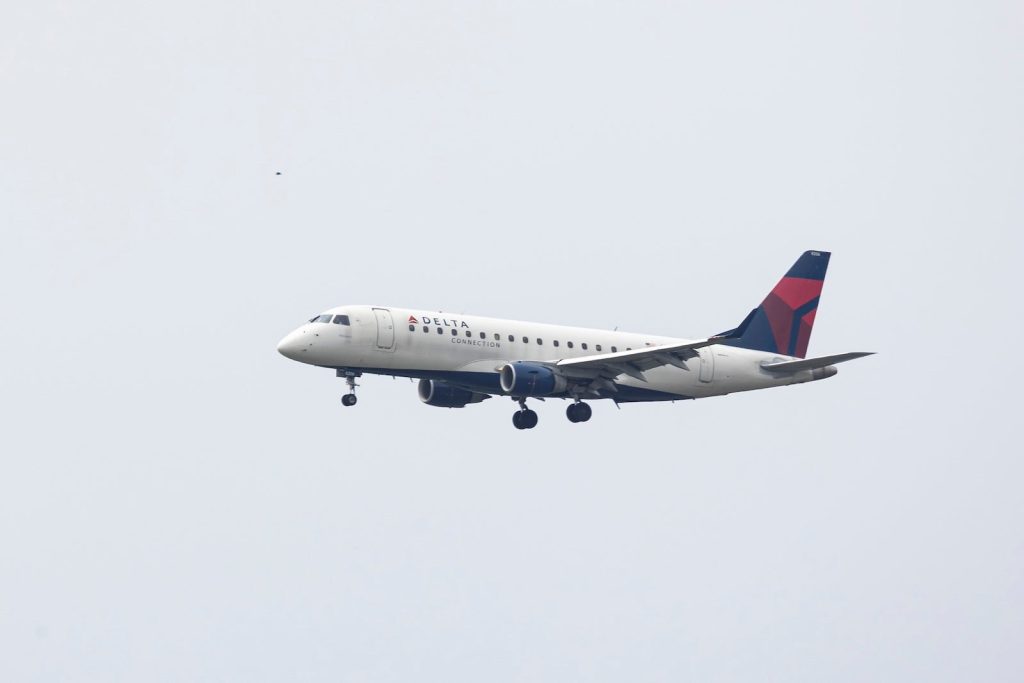
A prominent Atlanta-based carrier has announced its entry into California’s competitive wine country aviation market, launching service to Charles M. Schulz Sonoma County Airport in Santa Rosa. This strategic move represents more than just another route addition—it’s a calculated play for the lucrative leisure travel segment that I believe will reshape regional connectivity in Northern California.
Strategic Positioning in a Growing Market
The new nonstop service from Salt Lake City International Airport to Santa Rosa will commence on October 6, marking the airline’s first foray into this increasingly popular destination. What strikes me as particularly smart about this timing is how it capitalizes on the post-pandemic travel recovery while targeting affluent leisure travelers who prioritize convenience over cost.
This isn’t just about wine tourism, though that’s certainly a major draw. The route serves business travelers seeking easier access to Sonoma County’s tech companies and agricultural enterprises, while also providing Bay Area residents with an alternative to San Francisco’s notoriously congested airport system.
Who Benefits Most from This Development
Frequent business travelers operating between Utah and Northern California will find this route invaluable. The convenience factor alone—avoiding San Francisco’s traffic and longer security lines—justifies the premium many will gladly pay. Wine enthusiasts and luxury travelers represent another key demographic, as do residents of smaller Bay Area communities who’ve long been underserved by direct flight options.
However, budget-conscious travelers might find limited appeal here. Regional routes typically command higher per-mile costs, and this service will likely target premium passengers rather than price-sensitive leisure travelers.
Intensifying Competition in Wine Country Aviation
The Santa Rosa airport has experienced remarkable growth recently, with total departures projected to increase nearly 40% year-over-year. Multiple carriers have recognized the market potential, creating what I see as a fascinating microcosm of airline competition dynamics.
Southwest Airlines recently launched service to the airport, while Alaska Airlines has expanded its existing operations. This surge in interest tells a compelling story about changing travel patterns and the decentralization of air service from major metropolitan hubs.
The departure of budget carrier Avelo Airlines last summer actually strengthens the case for premium-focused service. It suggests the market rewards quality and convenience over rock-bottom pricing—a validation of the strategic approach taken by the remaining carriers.
Infrastructure and Operational Advantages
What makes Santa Rosa particularly attractive is its operational efficiency compared to larger Bay Area airports. Travelers can expect shorter security lines, reduced taxi times, and minimal weather-related delays. The airport’s location provides direct access to both Sonoma and Napa valleys without the notorious Bay Area traffic bottlenecks.
The new service will operate using regional jets configured with 12 first-class seats and 20 extra-legroom comfort seats. This aircraft choice reflects the route’s positioning as a premium offering rather than a high-volume connection.
Market Implications and Future Outlook
I believe this route launch signals broader industry trends toward serving underutilized secondary markets with strong economic fundamentals. Wine country represents an ideal testing ground for this strategy—high disposable income demographics, limited competition, and strong seasonal demand patterns.
The success of this route will likely influence similar expansion decisions across the carrier’s network. If load factors and yields meet expectations, we can anticipate additional service to comparable leisure-focused destinations from the Salt Lake City hub.
For travelers, this development represents the maturation of regional air service. No longer are secondary airports relegated to basic connectivity—they’re becoming viable alternatives that often provide superior customer experiences compared to major hubs.
The timing couldn’t be better for wine country tourism, which has rebounded strongly from pandemic lows while evolving toward more premium experiences. This new air service option aligns perfectly with that trajectory, offering seamless access to one of America’s premier wine regions.