
Classic American Diners That Transport You Back to Simpler Times
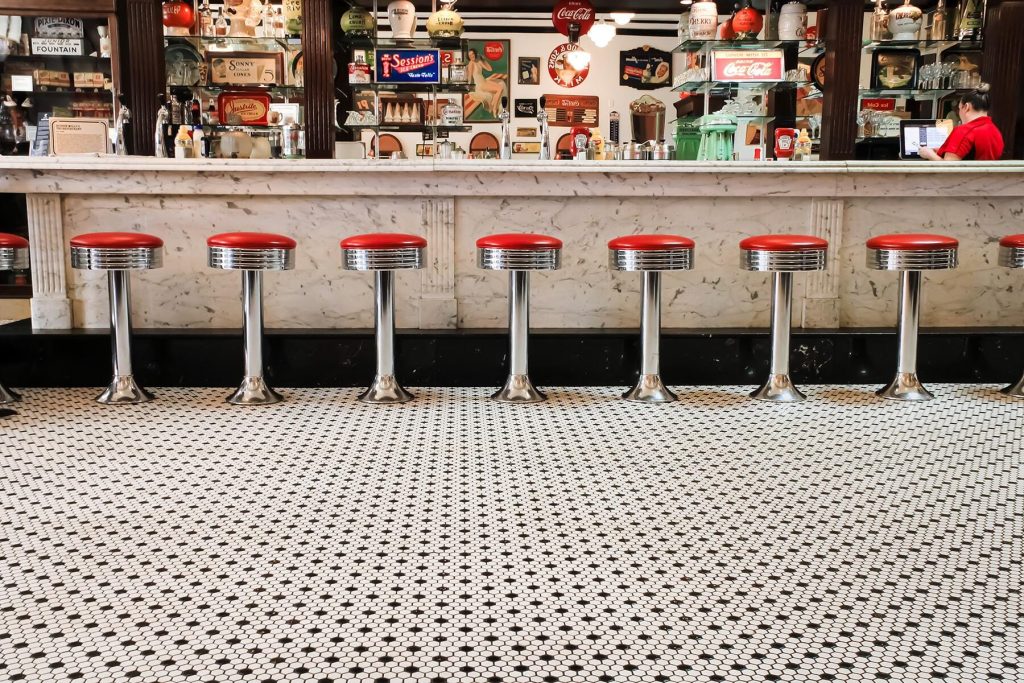
There’s something deeply satisfying about sliding into a vinyl booth at an authentic American diner, and I believe these establishments represent more than just places to eat—they’re cultural touchstones that remind us of a different era. While some might dismiss them as outdated relics, I think these vintage eateries offer something genuinely valuable in our fast-paced digital world.
The American diner tradition began in the 1870s when enterprising entrepreneurs started serving workers from horse-drawn lunch wagons. By the early 1900s, manufacturers were crafting sleek, railroad car-inspired establishments that could be shipped anywhere in the country. These prefabricated dining cars, combined with the rise of soda fountains in pharmacies, created a distinctly American dining culture centered around comfort food, community gathering, and affordable meals served around the clock.
I find it remarkable that some of these establishments have survived decades of changing tastes and economic pressures. For travelers seeking authentic experiences and locals wanting to connect with their community’s history, these diners offer something chain restaurants simply cannot match. However, let’s be honest—if you’re looking for trendy fusion cuisine or Instagram-worthy presentations, you’ll be disappointed. These places are for people who appreciate simplicity, tradition, and generous portions over culinary innovation.
The Summit Diner: New Jersey’s Chrome-Plated Time Machine
Located in Summit, New Jersey, this establishment occupies an authentic 1939 dining car manufactured by the legendary Jerry O’Mahony company. What strikes me most about this place is its unwavering commitment to simplicity—there’s no printed menu, just a handwritten board above the grill listing burgers, pancakes, and Taylor ham sandwiches. The barrel-vaulted ceiling, checkered floors, and mahogany paneling remain untouched by modern renovation trends, which I think is exactly how it should be. Recent preservation grants ensure this gem will continue serving straightforward comfort food for future generations.
Lexington Candy Shop: Manhattan’s Hidden Luncheonette
This Upper East Side institution proves that not every classic eatery needs chrome and neon to capture the spirit of old New York. Operating since 1925, this family-run luncheonette centers around a traditional soda fountain where Coca-Cola is still hand-mixed with syrup and seltzer water. The Lexington Special—a towering sandwich of roast beef, bacon, cheese, and fried egg—epitomizes everything I love about diner excess. This place appeals to anyone who appreciates craftsmanship and family tradition, though health-conscious diners should probably look elsewhere.
Town Topic: Kansas City’s 24-Hour Institution
Founded by former White Castle employees in 1937, this Kansas City landmark built its reputation on five-cent hamburgers and round-the-clock service. What I find most compelling about Town Topic is its consistency—the same smash-style burgers, hand-cut fries, and homemade pies that made it famous decades ago. The story about Elizabeth Taylor sending an assistant to fetch chili while her private jet waited perfectly captures the kind of devoted following these places inspire. For late-night workers and insomniacs, this represents the ideal of democratic dining where everyone is welcome regardless of the hour.
Zaharakos: Indiana’s Victorian Ice Cream Palace
In Columbus, Indiana—a city renowned for modern architecture—Zaharakos stands as a beautiful anachronism. This Victorian-era ice cream parlor features Tiffany-style lamps, marble counters, and a rare 1908 orchestrion that still plays mechanical music. I believe this place succeeds because it doesn’t try to be anything other than what it’s always been. The Gom sandwich and fresh orangeade represent simple pleasures executed perfectly. The recent addition of museum rooms might appeal to history buffs, though purists might prefer focusing on the original soda fountain experience.
Crown Candy Kitchen: St. Louis Sugar Rush Since 1913
This family-operated confectionery and lunch counter has been dealing sugar highs for over a century, and I think it represents the perfect marriage of candy shop and diner culture. The Heart-Stopping BLT—essentially a bacon sculpture with token vegetables—embodies the gloriously excessive spirit that makes these places special. The challenge of consuming five 24-ounce malts in 30 minutes appeals to competitive eaters and thrill-seekers, though most visitors will find the regular portions more than sufficient.
Fair Oaks Pharmacy: California’s Route 66 Survivor
This South Pasadena establishment, operating since 1915 along historic Route 66, combines a working pharmacy with a classic soda fountain—a pairing that seems odd today but made perfect sense when soda water was considered medicinal. The chrome-polished interior and extensive selection of ice cream treats capture the optimistic spirit of mid-century California. I appreciate how they maintain the old-fashioned candy selection alongside modern fountain drinks, though the combination of healthcare and sugar might strike some as contradictory.
The Camellia Grill: New Orleans Diner with Southern Soul
Despite New Orleans’ reputation for Creole and Cajun cuisine, this 1946 establishment proves that classic American diner food can thrive anywhere. The counter-only seating and bow-tied waitstaff create an intimate atmosphere that I find more engaging than typical restaurant service. While the chocolate pecan pie and double-scoop freezes represent the sweet side of Southern hospitality, the red beans and rice show how regional flavors can enhance traditional diner fare. This works best for diners who enjoy interactive service and don’t mind waiting for a counter seat.
Delgadillo’s Snow Cap: Arizona’s Roadside Comedy Club
Built in 1953 from railroad salvage materials, this quirky Route 66 stop combines food service with pure entertainment. The playful menu descriptions and whimsical decorations might annoy some visitors, but I think the humor adds genuine character to what could otherwise be just another roadside stand. The family’s commitment to maintaining Juan Delgadillo’s comedic vision demonstrates how personality can become a restaurant’s greatest asset. This appeals most to road-trippers and families with children who appreciate good-natured silliness with their burgers.
Mickey’s Dining Car: Minnesota’s Stainless Steel Classic
This 1939 O’Mahony dining car represents one of the Midwest’s best-preserved examples of authentic diner architecture. After closing during the pandemic, its recent reopening in 2024 proves there’s still demand for all-day breakfast and late-night comfort food. The narrow interior and train-style windows create an intimate dining experience that I find more appealing than sprawling modern restaurants. While the 11 PM closing time limits its appeal to true night owls, it still serves those seeking substantial meals during unconventional hours.
These establishments succeed because they understand something many modern restaurants miss: sometimes people want simplicity, consistency, and a connection to the past. They’re not for everyone—vegans, health food enthusiasts, and fine dining aficionados will likely find them limiting. But for those who appreciate American cultural history, generous portions, and unpretentious hospitality, these diners offer experiences that can’t be replicated by corporate chains or trendy gastropubs. In our increasingly homogenized dining landscape, I believe places like these deserve our support and patronage.