
Social Media Dessert Craze Divides Internet Users Over Simple Cake Concept
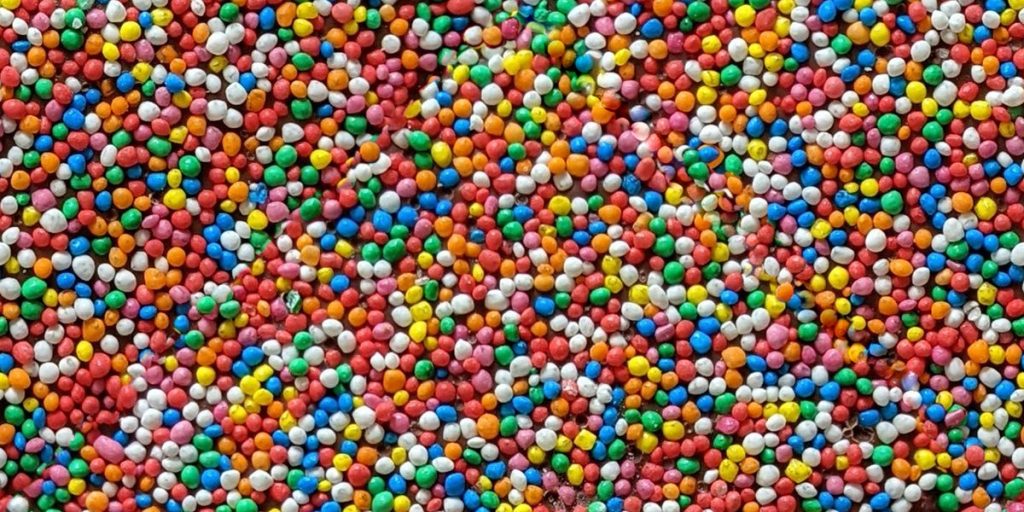
The social media landscape has once again proven its power to transform ordinary treats into cultural phenomena, and frankly, I find this latest obsession both fascinating and slightly bewildering. A New York bakery’s sprinkle-covered mini cakes have ignited passionate discussions across social platforms, creating what I believe is a perfect case study in how digital culture can amplify the mundane into the extraordinary.
The Sweet Storm Taking Over Feeds
These controversial confections feature layers of cake topped with thick frosting and an abundance of colorful sprinkles. Available in classic flavors including chocolate, vanilla, and red velvet, the treats have captured attention primarily through their visual appeal and the satisfying crunch they produce when eaten.
What strikes me most about this phenomenon is how a relatively simple dessert concept has managed to generate millions of views and intense debate. The aesthetic appeal—particularly the rainbow sprinkles that create an ASMR-worthy scraping sound—has proven irresistible to content creators seeking viral moments.
Influencer Endorsements Fuel the Fire
Multiple social media personalities have contributed to the hype, with some describing the texture as light and fluffy while praising the frosting quality. One influencer’s taste test video garnered over seven million views, with enthusiastic claims about the dessert being among the best things ever consumed.
I think this level of hyperbole perfectly encapsulates what’s both exciting and exhausting about food trends in the digital age. While genuine enthusiasm can be infectious, the pressure to deliver increasingly dramatic reactions for content feels performative and ultimately hollow.
The Backlash Reveals Deeper Cultural Tensions
The controversy surrounding these treats reveals something more significant than dessert preferences. Critics have dismissed the phenomenon as overblown attention for basic baked goods, with some pointing out that cake with frosting and sprinkles hardly constitutes revolutionary culinary innovation.
Honestly, both perspectives have merit. The skeptics aren’t wrong—this is fundamentally a decorated cupcake receiving treatment typically reserved for groundbreaking culinary achievements. Yet the enthusiasts also have a point: sometimes simple pleasures deserve celebration, especially when they bring joy during challenging times.
Who Benefits From This Trend
This craze particularly appeals to younger demographics who prioritize visual content and shared experiences. Social media users seeking engaging content, bakeries looking to capitalize on viral marketing, and consumers craving nostalgic comfort foods all stand to benefit from this phenomenon.
However, I believe this trend isn’t for everyone. Those seeking genuine culinary innovation or sophisticated flavor profiles will likely find these treats underwhelming. Similarly, individuals resistant to social media-driven consumption patterns may view the entire phenomenon as manufactured hype.
Accessibility and Availability Challenges
The original bakery has temporarily suspended order requests due to overwhelming demand, though the treats remain available at select New York locations on specific days and times. This scarcity has only intensified the desire among potential customers.
What troubles me about this aspect is how viral food trends often create artificial urgency and exclusivity around accessible products. The limited availability transforms a simple cake into a coveted commodity, potentially pricing out or inconveniencing consumers who simply want to try something new.
Ultimately, this dessert controversy reflects broader questions about how we assign value and meaning to everyday experiences in our hyperconnected world. While I appreciate the joy these treats bring to their fans, I can’t help but wonder if our collective attention might be better directed toward supporting local bakeries creating innovative products rather than chasing the next viral sensation.