
Kansas City’s Culinary Renaissance: Discovering Excellence Beyond the Barbecue Scene
While Kansas City has built its reputation on smoky barbecue joints and burnt ends, I believe the city’s dining landscape has evolved into something far more sophisticated and diverse than most food enthusiasts realize. Having explored countless establishments across the metro area, I’m convinced that limiting yourself to just barbecue means missing out on some truly exceptional culinary experiences.
Why Kansas City’s Food Scene Deserves More Recognition
The transformation of Kansas City’s restaurant culture over the past decade has been remarkable, though it often flies under the radar compared to coastal food scenes. What excites me most about dining here is the combination of Midwestern hospitality with genuinely innovative cooking techniques and global flavors.
For serious food lovers who appreciate creativity and quality ingredients, Kansas City now offers options that rival much larger metropolitan areas. However, if you’re someone who expects the flashy presentation and celebrity chef culture of New York or Los Angeles, you might find the approach here refreshingly unpretentious but perhaps lacking in spectacle.
Farm-to-Table Excellence in the Heartland
The local sourcing movement has taken root beautifully in Kansas City, and I think this is where the city truly shines. Restaurants focusing on regional ingredients and seasonal menus have created a distinct identity that feels authentic rather than trendy. The proximity to agricultural regions gives chefs access to exceptional produce, meats, and dairy that many urban areas simply cannot match.
This approach particularly benefits diners who value sustainability and supporting local economies. For those who prioritize convenience and familiar chain restaurant experiences, however, the seasonal menu changes and ingredient-driven approach might feel limiting or unpredictable.
International Flavors Finding Their Voice
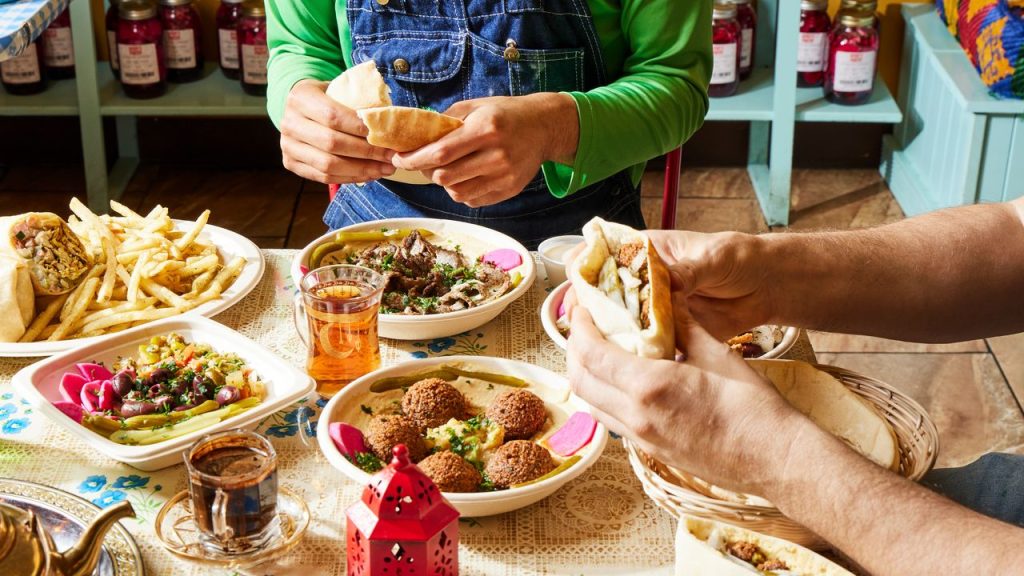
What I find most encouraging about Kansas City’s current dining scene is how immigrant communities and international cuisines are finally getting the recognition they deserve. The city’s growing diversity has brought authentic flavors from Vietnam, Lebanon, India, and Mexico that go far beyond typical American interpretations of these cuisines.
These establishments serve adventurous eaters willing to explore beyond their comfort zones exceptionally well. The portions are typically generous, prices remain reasonable compared to coastal cities, and the authenticity is often superior to what you’ll find in more tourist-heavy destinations.
The New Generation of Local Chefs
Young culinary professionals who have trained in major food cities are returning to Kansas City and opening restaurants that blend sophisticated techniques with Midwestern sensibilities. I believe this trend represents the city’s best opportunity to establish itself as a legitimate food destination rather than just a barbecue stop.
These chef-driven restaurants cater perfectly to locals looking for special occasion dining and food enthusiasts seeking memorable experiences. They may not appeal to budget-conscious diners or those preferring simple, straightforward preparations, as the focus tends toward complex flavors and premium ingredients.
Who Should Explore Kansas City’s Dining Scene
In my opinion, Kansas City’s evolved restaurant landscape works best for several specific types of diners. Food enthusiasts who enjoy discovering hidden gems will find tremendous value here, as will anyone interested in supporting independent restaurants over corporate chains. The city particularly rewards visitors who approach dining with curiosity rather than rigid expectations.
Conversely, travelers seeking Instagram-worthy presentations or cutting-edge molecular gastronomy might leave disappointed. The city’s food culture values substance over style, which I personally appreciate but recognize won’t appeal to everyone.
The Economic Advantage
One aspect that consistently impresses me about Kansas City dining is the exceptional value proposition. You can experience chef-driven cuisine, premium ingredients, and creative presentations at price points that would be impossible in major coastal markets. This accessibility makes fine dining more democratic and allows restaurants to focus on food quality rather than covering astronomical rent costs.
This economic reality benefits both restaurants and diners, creating a sustainable environment where culinary creativity can flourish without the pressure of unrealistic profit margins that plague other markets.