
Fashion Industry Weekly Roundup: Supermodel Covers, Revenue Growth, and Emerging Talent
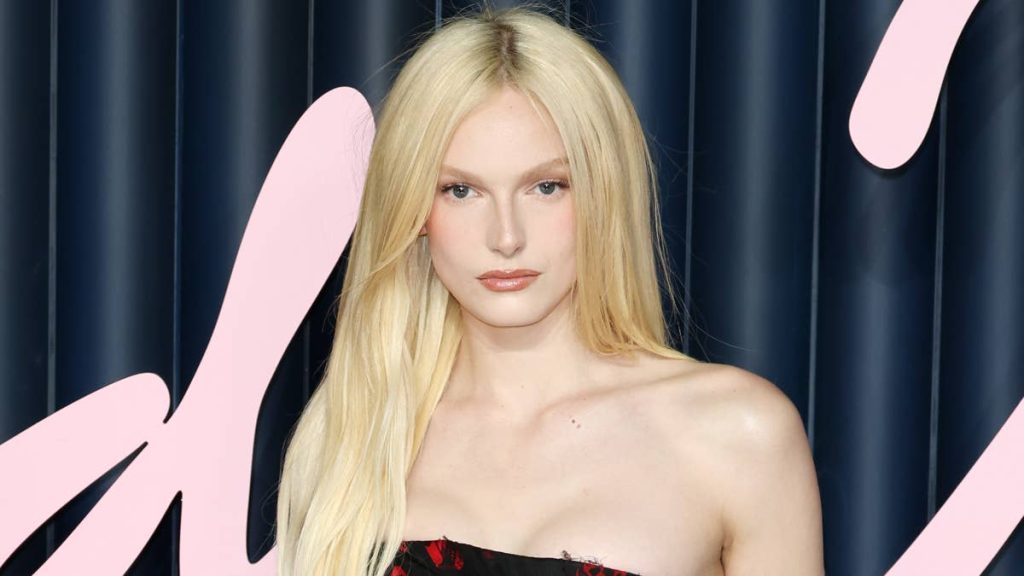
Transgender Supermodel Makes Magazine History
Alex Consani has secured the cover of Harper’s Bazaar’s Summer 2026 edition, marking another significant milestone in fashion’s ongoing evolution toward inclusivity. What strikes me most about this development isn’t just the visibility it provides, but how it represents a fundamental shift in who gets to define beauty standards in mainstream media.
The cover shoot, captured by Jonathan Frantini with styling by Rae Boxer, features Consani in a striking gold Louis Vuitton piece. This matters tremendously for young transgender individuals who rarely see themselves represented in high-fashion contexts. However, I believe the real test will be whether this representation translates into sustained industry change rather than remaining a one-off moment of progressive posturing.
Luxury Brand Demonstrates Market Resilience
Ralph Lauren’s fourth-quarter financial performance tells a compelling story about premium fashion’s current health. The company reported a remarkable 17% revenue surge to $2 billion, pushing their annual revenue past $8 billion for fiscal 2026. This growth stemmed from attracting 6.5 million new direct-to-consumer customers alongside strategic product elevation and international expansion.
What’s particularly noteworthy is how this success contradicts the doom-and-gloom narrative surrounding luxury retail. I think this demonstrates that consumers are still willing to invest in established heritage brands, especially when those brands successfully modernize their approach. This should encourage other legacy fashion houses, though it also highlights the growing divide between brands that can adapt and those that can’t.
British Fashion Council Invests in Next Generation
The British Fashion Council’s 2026 NewGen Recipients list reads like a who’s who of tomorrow’s fashion landscape. The fourteen selected designers – including A Letter, Charlie Constantinou, E.W.Usie, and others – will receive crucial financial support, mentorship, and industry exposure through London Fashion Week presentations.
This initiative represents exactly what the fashion industry needs right now: structured support for emerging talent. Too often, promising designers fail not due to lack of creativity, but because they can’t navigate the business complexities of fashion. These programs matter because they provide the scaffolding young designers need to transform creative vision into sustainable businesses.
American Fashion Leadership Evolves
The Council of Fashion Designers of America has welcomed Gabriela Hearst and Joseph Altuzarra to its Board of Directors, joining an already impressive roster including chairman Thom Browne and vice chairs Prabal Gurung and Aurora James.
This appointment signals the CFDA’s commitment to representing diverse perspectives in American fashion leadership. Both Hearst and Altuzarra bring unique viewpoints – Hearst with her sustainability focus and Altuzarra with his international perspective. I believe this diversity in leadership will be crucial as American fashion grapples with global competition and changing consumer expectations.
Luxury Cruise Collection Showcases Transatlantic Inspiration
Louis Vuitton’s Cruise 2027 presentation in New York City demonstrated how luxury brands are leveraging major cities as inspiration sources. Creative Director Nicolas Ghesquière drew from the contrasts between New York and Paris, creating a collection that speaks to the brand’s global audience.
The front-row presence of celebrities like Zendaya, Anne Hathaway, and Cate Blanchett underscores how these presentations function as much as marketing events as fashion shows. This strategy works brilliantly for established luxury houses but creates an increasingly high barrier to entry for smaller brands who can’t compete with such star power.
Retail Evolution: The Secondhand Integration
Fashion retailers are increasingly incorporating in-store resale experiences, responding to growing consumer demand for sustainable shopping options. This trend ranges from dedicated secondhand sections to trade-in programs, particularly appealing to younger consumers who seamlessly blend new and vintage pieces.
This development excites me because it represents retail finally catching up with consumer behavior. However, I’m skeptical about whether these initiatives represent genuine commitment to sustainability or merely trendy marketing tactics. The success of these programs will depend on execution quality and authentic integration rather than superficial add-ons.
Celebrity Beauty Brand Faces Market Reality
Blake Lively’s hair brand, Blake Brown, is experiencing significant sales decline, reportedly generating only $90,000 weekly at Target – concerning numbers for a celebrity-backed brand. Industry observers attribute this downturn to unfortunate timing, launching during Lively’s legal controversies, and insufficient ongoing promotion.
This situation illustrates the fragility of celebrity beauty brands when they lose their primary marketing asset – the celebrity’s active participation. Unlike established beauty companies with diverse marketing strategies, celebrity brands often live or die by their namesake’s public presence. The reported desire of manufacturer Give Back Beauty to exit the partnership suggests this isn’t a temporary setback but a fundamental business challenge.