
Major Airline Expands Into California Wine Country as Regional Airport Competition Intensifies
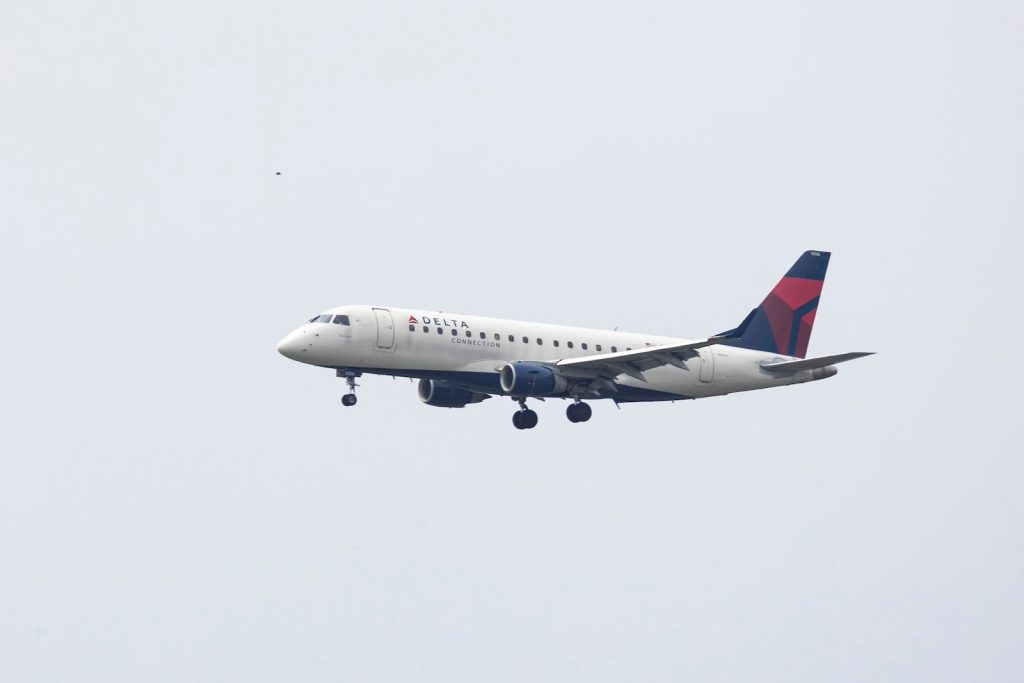
The battle for California’s wine country travelers is heating up, and I think this latest development perfectly illustrates how airlines are recognizing the untapped potential of smaller regional airports. A major carrier has announced plans to launch service to Charles M. Schulz Sonoma County Airport in Santa Rosa, marking a significant expansion into Northern California’s premium leisure market.
Starting October 6th, the airline will operate nonstop flights from Salt Lake City to Santa Rosa, using regional jets configured with premium seating options. This move represents more than just route expansion – it’s a strategic play for high-value leisure travelers who prioritize convenience and are willing to pay premium prices for it.
Why This Matters for Wine Country Tourism
In my opinion, this development is a game-changer for affluent travelers seeking seamless access to Sonoma and Napa Valley wineries. The Santa Rosa airport sits perfectly positioned in the heart of wine country, offering something that San Francisco International simply cannot: proximity without the hassle.
What makes this particularly smart is the timing. The airport is experiencing unprecedented growth, with total departures expected to surge nearly 40% this year compared to last year. This isn’t just one airline making a speculative bet – it’s multiple carriers recognizing a genuine market opportunity.
For wine enthusiasts and luxury travelers, this route solves a real problem. Instead of flying into San Francisco and dealing with traffic-clogged highways, visitors can now land practically at the doorstep of premium vineyards. The time savings alone – we’re talking about cutting travel time by hours – justifies any potential fare premium.
The Regional Airport Renaissance
I believe we’re witnessing a broader shift in how airlines approach route planning. Smaller airports like Santa Rosa offer operational advantages that major hubs simply cannot match: lower costs, fewer delays, and a more pleasant passenger experience.
This trend particularly benefits business travelers and affluent leisure passengers who value their time above all else. For corporate executives planning wine country retreats or wealthy retirees seeking premium experiences, the convenience factor outweighs any concerns about flight frequency or aircraft size.
However, this strategy isn’t for everyone. Budget-conscious travelers might find better deals flying into larger airports, even factoring in ground transportation costs. The regional jet service also means fewer daily flight options, which could be problematic for travelers with inflexible schedules.
Who Benefits Most
This route expansion is tailor-made for several specific traveler segments. Wine industry professionals will appreciate the direct access for business purposes. Luxury leisure travelers seeking exclusive experiences will value the convenience premium. Corporate groups planning retreats or incentive trips will find the logistics significantly simplified.
The service will operate using regional aircraft featuring first-class recliners and premium economy seating – a configuration that makes perfect sense for this market. These aren’t passengers looking for the cheapest fare; they’re seeking comfort and convenience.
Market Competition Intensifies
What’s particularly interesting is how quickly this market has evolved. Multiple airlines have recently launched or expanded service to Santa Rosa, creating genuine competition for wine country travelers. This benefits consumers through increased options and competitive pricing, though I suspect fares will remain at premium levels given the target demographic.
The fact that one budget carrier recently pulled out of the market while major carriers are expanding tells us everything we need to know about the passenger mix. This isn’t a price-sensitive market – it’s a convenience and experience-focused one.
For frequent flyers with loyalty to specific airlines, these new routes provide valuable redemption opportunities and elite qualifying options. The regional nature of the service means award availability might be better than on more popular routes, though cash fares will likely remain elevated.
Looking ahead, I expect this trend to continue as airlines recognize the profit potential in serving affluent niche markets. Santa Rosa’s success could inspire similar strategies at other regional airports near premium leisure destinations.