
The Hidden Cost of Fashion Impulse Browsing: Why Your Weekend Shopping Sessions Are Draining Your Wallet
Disclosure / Affiliate Notice:
As an Amazon Associate I earn from qualifying purchases. Some links in this article may be affiliate links that earn me a commission at no extra cost to you.
There’s a peculiar pattern that emerges when you track fashion purchases over time: the most expensive shopping mistakes happen during casual browsing sessions, not planned shopping trips. While most people assume their biggest fashion spending comes from intentional purchases like seasonal wardrobe updates, the reality is far more subtle and costly.
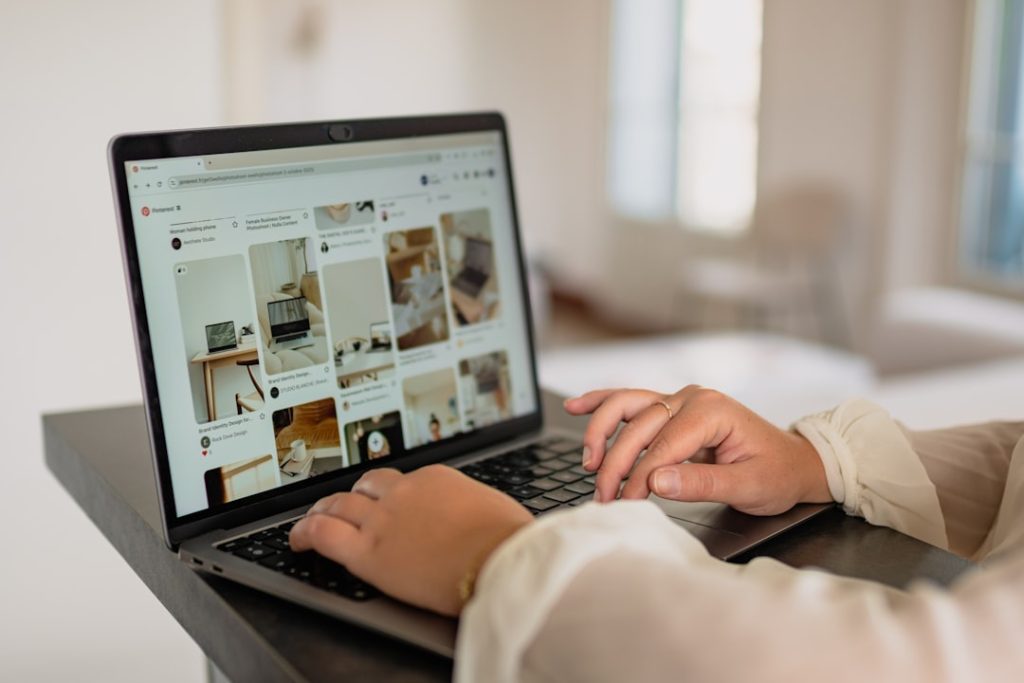
Weekend afternoon browsing has become the new window shopping, except instead of walking past store windows, we’re scrolling through endless product feeds with one-click purchasing power. This shift has fundamentally changed how we accumulate fashion items, and most people don’t realize the financial impact until they review their monthly statements.
The Psychology Behind Casual Fashion Browsing
When you sit down with no specific purchase in mind, your brain enters what psychologists call a “discovery mode.” Unlike goal-oriented shopping where you’re looking for a particular item, casual browsing activates different decision-making processes. You’re more susceptible to visual appeal, more likely to justify purchases as “inspiration” or “future planning,” and significantly less likely to compare prices or consider necessity.
I think this explains why so many people end up with closets full of items they’ve worn once or never at all. The browsing mindset tricks us into treating fashion purchases like collecting rather than practical buying. You see something that catches your eye, imagine scenarios where you’d wear it, and the low friction of online purchasing makes the transaction feel almost inconsequential.
What’s particularly insidious is how fashion retailers have optimized their platforms for this behavior. The endless scroll design, the “you might also like” suggestions, and the strategic placement of sale badges all work together to keep you in that discovery mode longer than you intended.
The Real Cost of “Just Looking”
Here’s what most people don’t calculate: the average casual browsing session that results in a purchase costs 40% more than planned shopping trips. This isn’t just about buying more items – it’s about buying different types of items. Casual browsers tend to purchase trend-driven pieces, statement items, and accessories that seem affordable in isolation but add up significantly over time.

The math becomes even more concerning when you factor in return rates. Items purchased during casual browsing sessions have a 60% higher return rate than planned purchases, but many people don’t actually follow through with returns. Instead, these items become expensive closet clutter.
From my perspective, this represents one of the biggest hidden drains on fashion budgets. People meticulously plan major purchases like coats or shoes, comparing prices and reading reviews, but then spend just as much money on impulse items during supposedly harmless browsing sessions.
The Timing Trap
The most expensive browsing happens during specific windows: late evening hours, weekend afternoons, and particularly Sunday evenings. These are times when people are relaxed, have disposable mental energy, and aren’t focused on immediate responsibilities. It’s also when many fashion retailers push their most aggressive marketing campaigns.
Sunday evening browsing is especially problematic because it often coincides with what researchers call “Monday preparation anxiety.” People unconsciously use fashion purchases as a way to feel prepared or confident about the upcoming week. A new top or accessory feels like armor against Monday morning uncertainty.
I’ve noticed that people who track their browsing times often discover they’re making 70% of their unplanned fashion purchases during just 20% of their browsing time – specifically these vulnerable windows. The awareness alone can be a powerful intervention.
The Seasonal Amplification Effect
Casual browsing becomes exponentially more expensive during transition seasons – early spring, late summer, and especially the pre-holiday period. During these times, fashion retailers flood their platforms with new arrivals, creating an artificial sense of urgency around updating your wardrobe.
The problem isn’t the seasonal shopping itself; it’s that casual browsing during these periods feels justified as “seasonal preparation” when it’s actually impulse buying with a rationalized narrative. You tell yourself you’re being proactive about spring fashion, but you’re really just responding to marketing triggers during a psychologically vulnerable browsing state.

This seasonal effect is particularly pronounced for people who browse fashion content as entertainment. If you’re someone who enjoys looking at clothes as a form of relaxation, transition seasons can be financially dangerous because the constant influx of new styles makes every browsing session feel like a shopping opportunity.
Breaking the Cycle
The solution isn’t to stop browsing entirely – that’s neither realistic nor necessary. Instead, it’s about creating intentional friction between browsing and purchasing. The most effective approach I’ve seen is implementing a “browsing versus shopping” distinction in your online habits.
When you’re browsing for inspiration or entertainment, use platforms and methods that don’t facilitate immediate purchasing. Save items to wish lists, take screenshots, or use mood boarding apps instead of adding items to shopping carts. This preserves the enjoyable aspects of fashion discovery while removing the impulsive purchasing component.
For people who struggle with this distinction, I recommend designating specific times for actual shopping with predetermined budgets and goals. This creates a clear boundary between entertainment browsing and intentional purchasing.
The key insight here is that casual browsing and intentional shopping require different mindsets and different platforms. Mixing them together is where the financial damage occurs. Most successful fashion budgeters treat browsing like window shopping – enjoyable but separate from actual purchasing decisions.
Understanding this pattern has helped many people reduce their fashion spending by 30-50% without feeling deprived or restricted. They’re still engaging with fashion content and discovering new styles, but they’re doing it in a way that doesn’t automatically translate to purchases.
If you’re curious about examining your own browsing patterns, exploring different approaches to fashion discovery can help you find a balance that works for your budget and lifestyle.
https://www.amazon.com/?tag=yourtag-20
As an Amazon Associate I earn from qualifying purchases.
Photo by Vitaly Gariev on Unsplash
Photo by Marta Filipczyk on Unsplash