
Budget Kitchen Transformation: How $2,000 and Strategic Color Changes Created a Stunning Makeover
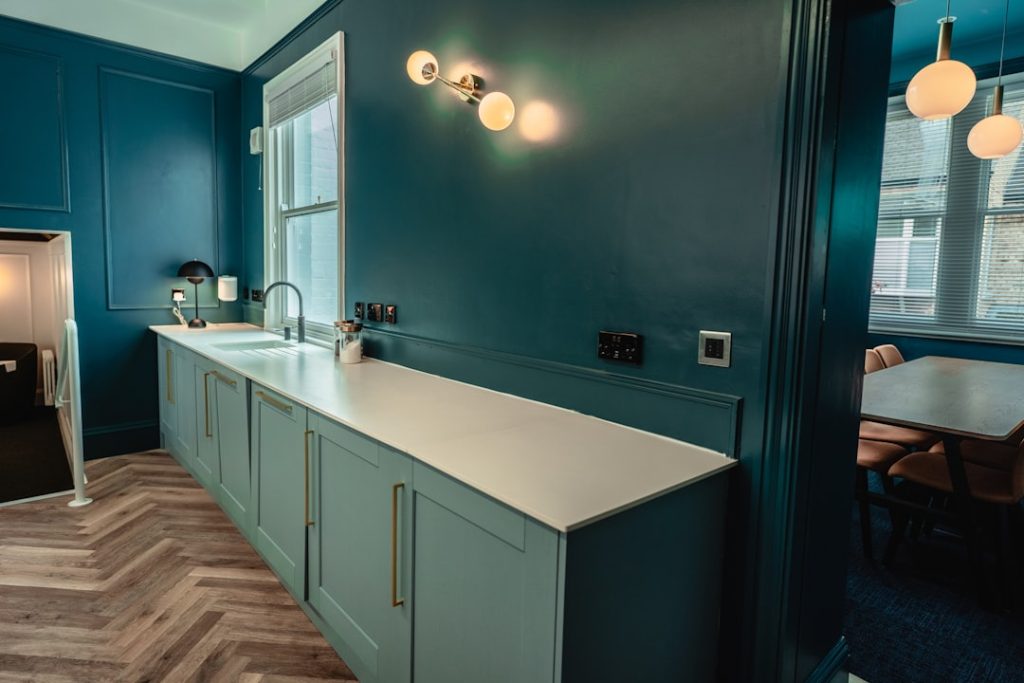
Kitchen renovations don’t always require gutting everything and starting from scratch. Sometimes, the most impactful transformations come from strategic color choices and smart budget allocation, as demonstrated in this remarkable makeover that proves you don’t need to break the bank to achieve dramatic results.
This particular renovation focused on transforming a dated, somber cooking space into a bright, welcoming environment using a carefully planned $2,000 budget. The homeowners made the brilliant decision to retain their existing cabinetry while completely reimagining the space through a fresh color palette centered around calming teal tones.
The Power of Paint in Kitchen Design
What strikes me most about this approach is how it challenges the conventional wisdom that kitchen remodels must be expensive to be effective. The decision to work with existing cabinet structures while introducing a sophisticated teal and white color scheme demonstrates real design intelligence. This strategy is particularly valuable for homeowners who have solid, well-built cabinets that simply need aesthetic updating rather than structural replacement.

The transformation from dark and heavy to light and airy showcases how color psychology plays a crucial role in interior design. Teal, as a color choice, brings both sophistication and tranquility to the space—qualities that make a kitchen feel more inviting for daily use and entertaining.
Who Benefits from This Approach
This type of renovation strategy is ideal for several groups of homeowners. First-time buyers who inherit outdated but functional kitchens will find this approach particularly valuable, as it allows them to modernize their space without the financial strain of a complete overhaul. Similarly, homeowners preparing to sell their property can achieve maximum visual impact with minimal investment, potentially increasing their home’s market appeal significantly.
Budget-conscious families who need to prioritize functionality over luxury will also appreciate this methodology. When you’re working with limited funds, focusing on high-impact changes like paint and hardware updates delivers the most dramatic transformation per dollar spent.

When This Strategy Might Not Work
However, I believe this approach isn’t suitable for everyone. Homeowners with severely damaged or poorly constructed cabinets shouldn’t attempt to salvage them with paint alone—structural issues require structural solutions. Additionally, those seeking to completely reconfigure their kitchen layout or add modern amenities like islands or pantry systems will need to invest in more comprehensive renovations.
The Broader Implications for Home Design
What I find most compelling about this project is how it demonstrates that good design isn’t necessarily expensive design. The emphasis on working with existing elements while introducing fresh aesthetics reflects a more sustainable approach to home improvement that reduces waste and maximizes resources.
The choice to embrace teal as the primary accent color also reflects current design trends toward more personalized, less neutral color palettes. This move away from the stark white and gray schemes that dominated recent years shows homeowners are becoming more confident in expressing personality through their interior choices.
For anyone considering a kitchen update, this transformation serves as proof that strategic planning and creative color application can achieve remarkable results without requiring a second mortgage. The key lies in identifying which elements truly need replacement versus those that simply need refreshing.
Photo by 43 Clicks North on Unsplash
Photo by Decima Athens on Unsplash
Photo by hannah grace on Unsplash