Music Festival Ticket Pricing: What to Expect for Austin’s Premier Fall Event
The annual autumn music festival at Zilker Park is generating significant buzz this year, and frankly, it’s easy to see why. With a lineup featuring pop sensation Charli XCX, electronic music pioneer Skrillex, and the ethereal sounds of Lorde, this year’s roster represents a fascinating blend of mainstream appeal and underground credibility.
What strikes me most about this particular festival is how it manages to bridge generational gaps in music taste. You’ve got Charli XCX bringing her hyperpop sensibilities that resonate with Gen Z, while Skrillex appeals to millennials who lived through the dubstep revolution. Then there’s Lorde, whose introspective indie-pop attracts a more contemplative audience altogether.

Who This Festival Really Serves
This event is clearly designed for music enthusiasts who aren’t afraid to invest in their entertainment experience. The diverse lineup suggests organizers are targeting festival-goers who appreciate artistic range rather than those seeking a single genre focus. If you’re someone who gets excited about discovering new sounds alongside established favorites, this is your event.
However, I’d argue this festival isn’t ideal for casual music fans or those on tight budgets. The investment required – both financially and time-wise – makes it more suitable for dedicated music lovers who view festivals as cultural experiences rather than simple entertainment.

The Supporting Acts That Matter
Beyond the headliners, the inclusion of acts like Turnstile and Geese demonstrates the festival’s commitment to showcasing emerging talent alongside established stars. Turnstile’s hardcore punk energy provides a stark contrast to the electronic and pop elements dominating the lineup, which I find refreshing. It shows the organizers aren’t afraid to challenge their audience’s comfort zones.
Geese, representing the newer wave of indie rock, adds another layer of artistic credibility to the event. These supporting acts often become the hidden gems that festival-goers discover and remember long after the headliners finish their sets.
What This Means for Festival Culture
The pricing structure and artist selection reflect broader trends in festival culture where organizers must balance commercial viability with artistic integrity. What I find most compelling is how this particular event seems to prioritize musical diversity over playing it safe with predictable bookings.
For serious music fans willing to make the investment, this festival offers the kind of eclectic experience that’s becoming increasingly rare in today’s market. For everyone else, it might be worth waiting for smaller, more focused events that align better with specific musical preferences and budget constraints.
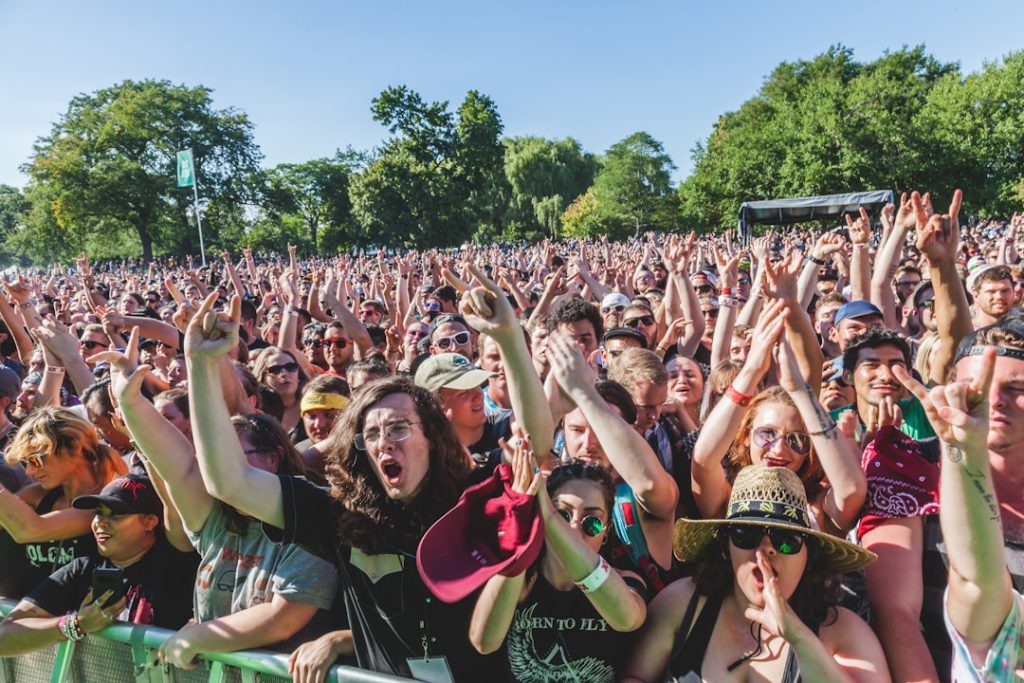
Photo by Tim Toomey on Unsplash