
Athletic Apparel Giant Resolves Corporate Governance Dispute with Founder Through Board Compromise
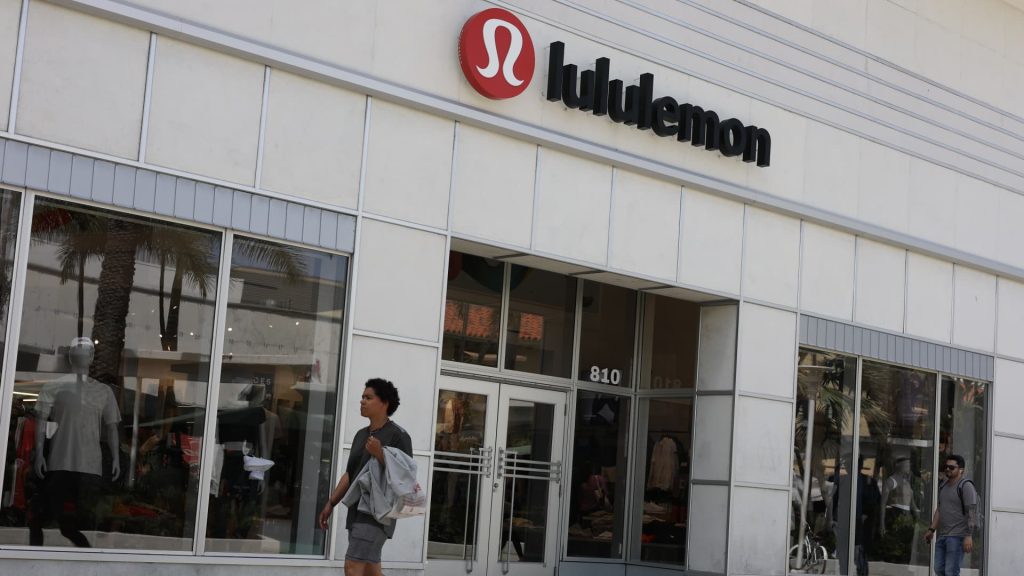
The recent settlement between a major athletic wear company and its founder represents a fascinating case study in corporate governance battles that I believe offers valuable lessons for investors and business leaders alike. This type of founder-versus-board conflict is becoming increasingly common in retail, and the resolution here shows both the power dynamics at play and the potential for compromise when shareholder value is at stake.
The athletic apparel retailer has agreed to end a contentious proxy fight by appointing two board members nominated by its founder, former chairman Chip Wilson. The new directors include Marc Maurer, previously co-CEO of running brand On, and Laura Gentile, former Chief Marketing Officer at ESPN. Additionally, the company committed to adding a third director with specialized product and brand expertise in apparel by October.
What strikes me most about this agreement is how it reflects the founder’s legitimate concerns about product direction. Wilson’s criticism wasn’t just personal grievance – he was pointing to real performance issues that have plagued the company. In my view, founders often have an intuitive understanding of brand DNA that can get lost as companies scale and professionalize their management.
The settlement terms reveal interesting power dynamics. Wilson agreed to refrain from publicly criticizing the company for approximately 18 months, while the retailer will make a charitable donation to Kitsilano Beach in Vancouver, where the brand originated, supporting athletics, arts, and landscaping initiatives. This creative resolution sidesteps Wilson’s initial request for expense reimbursement while maintaining goodwill.
I think this outcome benefits several key stakeholders, though not equally. Current shareholders should welcome the end of public feuding, which was undoubtedly damaging brand perception and creating uncertainty. The incoming CEO now has a clearer path forward without the distraction of ongoing corporate warfare. However, I’m skeptical whether this truly addresses the underlying product and market positioning challenges that sparked Wilson’s activism in the first place.
The company’s executive chair expressed satisfaction with the resolution, emphasizing that it allows management to focus on strengthening performance. She highlighted the value that the new directors will bring to an already qualified board, providing a clear path for the incoming CEO and leadership team to advance growth strategies and enhance shareholder value.
Wilson characterized the appointments as meaningful progress toward restoring what he calls the company’s “product-first vision.” This language suggests he believes the brand has drifted from its core strengths – a criticism that resonates when you look at the company’s recent performance struggles.
The path to this agreement wasn’t smooth, which I find telling about the underlying tensions. Settlement discussions nearly collapsed two weeks prior when Wilson reportedly increased his demands. This prompted the company to go public with a harsh letter to shareholders, describing Wilson as having “outdated perspectives” and “troubling conflicts of interest” that could derail turnaround efforts.
That public letter revealed deep animosity, stating that Wilson had been “attacking the company and the Board for many years, damaging the brand and hurting shareholders.” The board argued that his nominees were less qualified and that accepting them would endorse “misguided perspectives” while depriving the company of critical expertise during a pivotal time.
Wilson’s response suggested he believed an agreement was already in place, indicating possible miscommunication or strategic maneuvering by both sides. The rapid resolution following this public spat suggests both parties recognized the damage their conflict was inflicting on shareholder value.
The broader context makes Wilson’s activism more understandable, though I question whether board changes alone can solve fundamental business challenges. The company has struggled significantly after years of rapid growth, particularly in its crucial Americas market. The brand faces headwinds from tariff costs, uncertain consumer spending, and perhaps most critically, a product lineup that’s failing to generate the excitement it once did.
Competition has intensified dramatically, with newer brands like Vuori and Alo Yoga capturing market share as the broader athleisure trend shows signs of maturation. This isn’t just about internal management – it’s about navigating a fundamentally changed competitive landscape.
The financial impact has been severe. When the company reported fourth-quarter results in March, it issued disappointing guidance for fiscal 2026 and specifically cited both higher tariffs and the proxy battle as factors weighing on profitability. The stock’s nearly 39% decline year-to-date reflects investor concern about both operational challenges and governance instability.
For investors, I see this settlement as removing a significant overhang, but it doesn’t address the core business issues. The real test will be whether the new board composition can help management navigate competitive pressures and reignite product innovation. Founders often bring valuable perspective, but they can also be stuck in past approaches that may not work in evolved markets.
This case should be particularly relevant for anyone invested in founder-led companies or brands facing competitive disruption. The resolution shows that even bitter corporate disputes can find middle ground when shareholder pressure mounts, but it also highlights how governance conflicts can become expensive distractions from business fundamentals.