
Beloved Comic Book Retailer Closes All Stores After Nearly Five Decades in Business
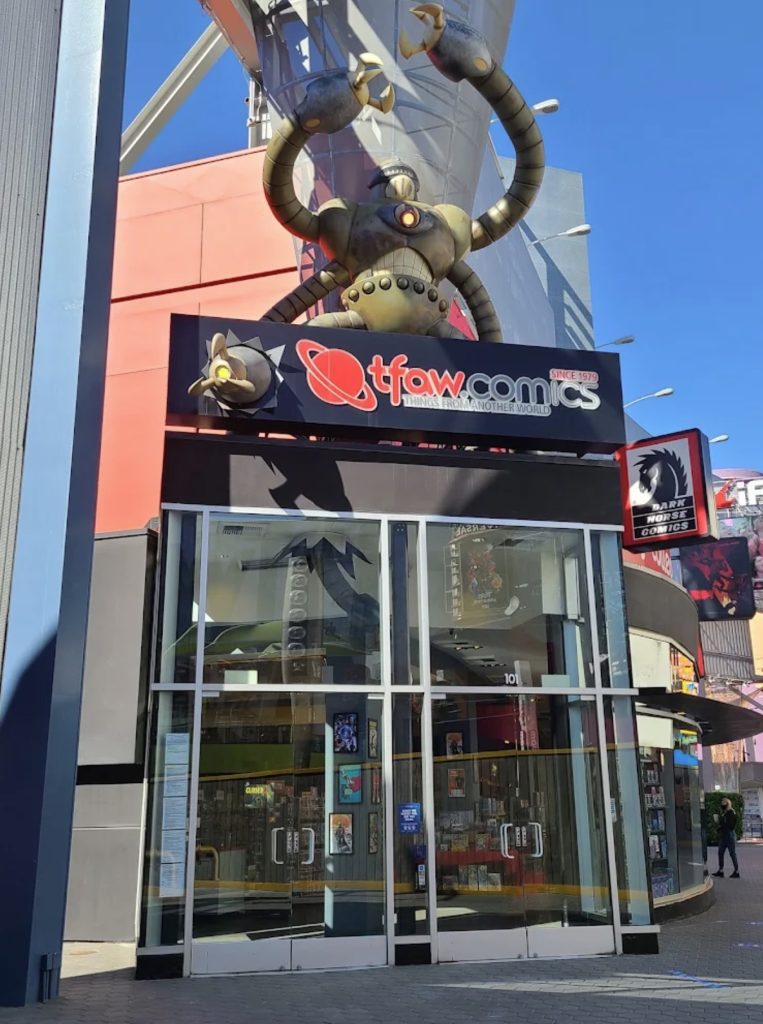
The comic book industry has suffered another significant blow with the permanent closure of a major retail chain that served enthusiasts for over four decades. After 46 years of operation, this well-established retailer has announced the shutdown of all its physical locations, marking the end of an era for collectors and casual readers alike.
This development represents more than just another business closure—it’s a stark reminder of how dramatically the retail landscape has shifted. For comic book enthusiasts, particularly those who grew up browsing physical stores and discovering new titles through serendipitous shelf exploration, this news hits particularly hard. The tactile experience of flipping through comics, examining artwork up close, and engaging with knowledgeable staff simply cannot be replicated online.
What makes this closure especially significant is the retailer’s flagship California location, which had become something of a pilgrimage site for serious collectors. I believe this store represented the gold standard of what a comic book shop should be—not just a place to buy merchandise, but a community hub where fans could gather, discuss storylines, and share their passion for the medium.
The timing couldn’t be worse for independent comic retailers who are already struggling against digital distribution and changing consumer habits. While superhero movies have never been more popular, this mainstream success hasn’t translated into sustained growth for physical comic sales. In my view, this disconnect highlights a fundamental problem: Hollywood’s comic adaptations are creating movie fans, not necessarily comic book readers.
This closure will primarily impact serious collectors and longtime fans who value the browsing experience and expert curation that physical stores provide. Casual readers who primarily consume digital comics or trade paperbacks from major bookstore chains will likely feel minimal disruption. However, for those seeking rare issues, variant covers, or the social aspect of comic collecting, this represents a genuine loss.
The broader implications extend beyond just comic books. This shutdown reflects the ongoing challenges facing specialty retail in an increasingly digital world. Independent bookstores, record shops, and hobby retailers all face similar pressures, and each closure makes the remaining stores more precious—and more vulnerable.
What concerns me most is the potential ripple effect on comic creators and publishers. Physical stores serve as discovery engines for new titles and independent publishers who lack the marketing budgets of major companies. Without these retail advocates championing lesser-known works, the industry risks becoming even more homogenized and corporate-driven.