
Classic Adventure Games Get Modern Makeovers While Indie Developers Push Creative Boundaries
The independent gaming scene continues to showcase remarkable creativity and innovation, with developers breathing new life into beloved classics while exploring deeply personal themes. This week brings us everything from nostalgic platformers to thought-provoking puzzle games that tackle mental health challenges.
Transforming Failure Into Progress
One title that particularly caught my attention is Fail Fail Succeed, a puzzle platformer that demonstrates how indie developers can transform personal struggles into meaningful gameplay experiences. The concept is brilliantly simple yet profound: players must sacrifice their character multiple times to create blocks that help reach the ultimate goal of petting your dog.
What makes this game special isn’t just its charming pixel art or clever mechanics—it’s the deeply personal story behind it. Solo developer Martin Zetterman drew from his experiences with mental health challenges, specifically the cycles of manic highs and depressive lows, to create a game where literal failure becomes the path to progress. This is exactly the kind of authentic storytelling that makes indie games so compelling. For anyone who has struggled with mental health or simply appreciates games with genuine emotional depth, this $10 investment seems worthwhile.
High-Octane Action Meets Creative Vision
Ferra represents everything I love about ambitious indie projects. This first-person shooter set in futuristic Japan combines parkour mechanics with an upgradeable arsenal of firearms and katanas, plus the ability to transform into a fox-like creature for claw-based combat. The ‘Bite System’ that lets players regenerate health by attacking enemies’ throats adds a visceral element that immediately sets it apart from conventional shooters.
What impresses me most is that EllipsisWorks, the small team behind this project, is creating something that looks AAA-quality with no budget. This reminds me why I’m passionate about indie gaming—it’s where genuine innovation happens when developers aren’t constrained by corporate committees and focus-group testing.
Legendary Puzzlers Return
The arrival of Myst and Riven remakes on PlayStation platforms marks a significant moment for puzzle adventure enthusiasts. These aren’t just simple ports—they’re complete reimaginings that bring these classic point-and-click experiences into the modern era with VR support and enhanced visuals.
I’ll be honest: these games aren’t for everyone. The original Myst and Riven were notorious for their cryptic puzzles and minimal hand-holding. If you’re someone who gets frustrated by games that don’t clearly telegraph their solutions, you might want to skip these. However, for players who enjoy methodical exploration and don’t mind spending hours pondering abstract puzzles, these remakes offer an opportunity to experience gaming history in its best possible form.
The Bubsy Phenomenon
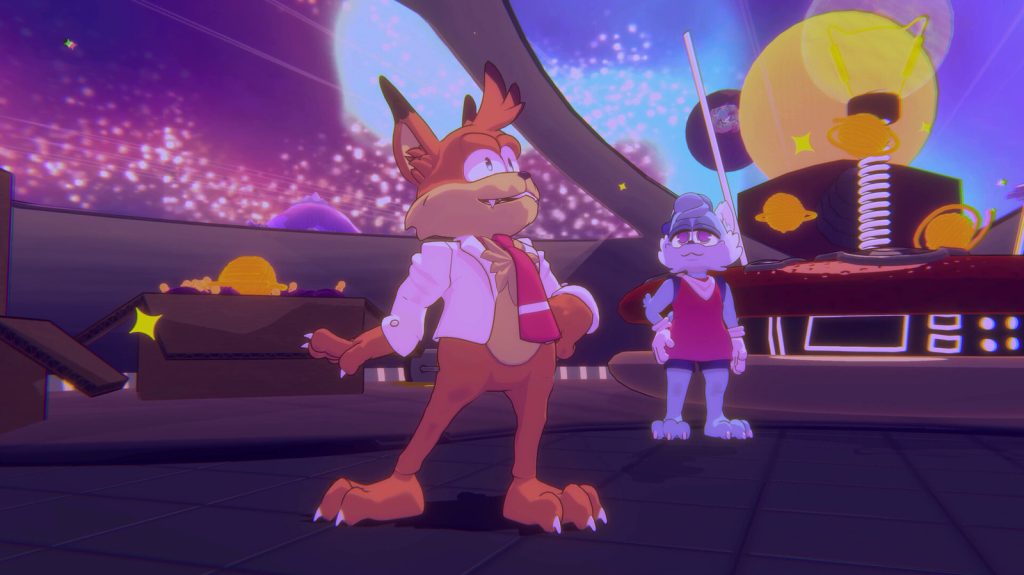
The return of Bubsy with Bubsy 4D is fascinating from a cultural perspective. This franchise has become something of a meme in gaming circles—beloved by children of the 90s despite being objectively mediocre. The fact that Atari is investing in a new 3D Bubsy game after 30 years suggests there’s still commercial value in nostalgia, even for properties that weren’t particularly good to begin with.
This $20 platformer probably won’t win any awards, but it serves an important function: it gives adults a chance to revisit their childhood memories, however rose-tinted they might be. Sometimes that’s enough.
Artistic Innovation in Independent Games
Phonopolis from Amanita Design showcases the artistic heights that indie developers can reach. The hand-painted cardboard aesthetic animated at 12fps to mimic stop-motion films represents exactly the kind of creative risk-taking that major publishers would never approve. This dystopian puzzle adventure about rebelling against authoritarian loudspeaker commands feels particularly relevant in our current political climate.
At $25, this might seem steep for an indie puzzle game, but Amanita Design has consistently delivered unique, memorable experiences. For players who appreciate games as art forms rather than just entertainment products, this investment supports the kind of creative vision we need more of in the industry.
The Stealth Genre Gets New Life
Thick as Thieves represents an interesting case study in development pivots. Originally conceived as a competitive multiplayer heist game by industry legends Warren Spector and Paul Neurath, the team wisely recognized that their cooperative gameplay was more engaging than their initial PvP concept. This kind of mid-development flexibility is something larger studios often can’t afford, making it a distinctly indie advantage.
At just $5, this feels like a no-brainer for stealth game enthusiasts, even with its modest four-hour campaign. Sometimes the best indie experiences are brief but memorable rather than padded with unnecessary content.
Looking Ahead
The upcoming releases show indie developers continuing to push boundaries. Mouseward combines Souls-like difficulty with N64-era collectathon nostalgia—a combination that shouldn’t work but absolutely does. Meanwhile, Warhammer Survivors demonstrates how licensed properties can enhance proven gameplay formulas rather than constradict them.
What excites me most about this indie gaming landscape is the willingness to tackle personal, political, and artistic themes that mainstream gaming often avoids. These developers understand that games can be more than just entertainment—they can be vehicles for expression, healing, and genuine human connection.