European Markets Rally on Diplomatic Breakthrough Hopes Between Tehran and Washington
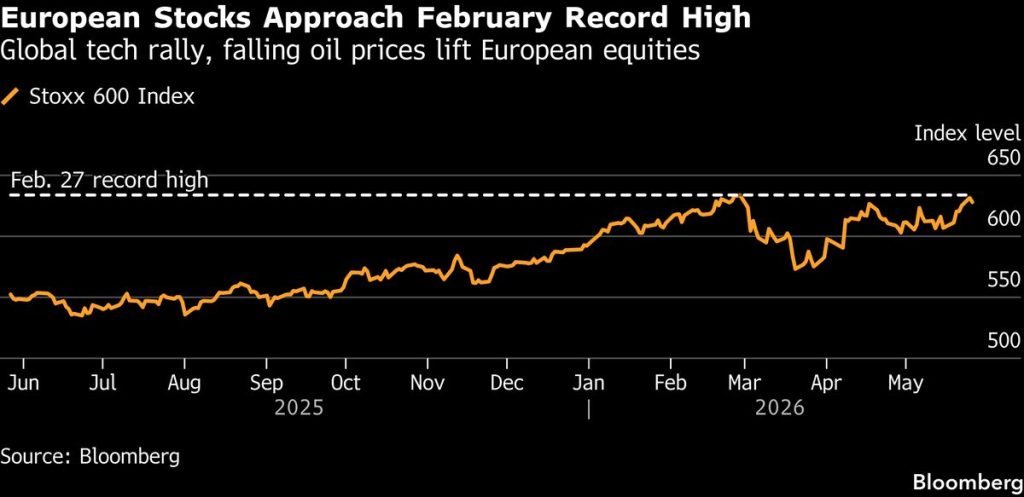
Continental equity markets are experiencing a significant surge, approaching historically unprecedented levels as investors grow increasingly confident about potential diplomatic progress between Iran and the United States. This wave of optimism has fundamentally shifted market sentiment, creating a ripple effect across energy commodities and broader financial markets.
The prospect of renewed diplomatic engagement has particularly caught my attention because it represents exactly the kind of geopolitical stability that European markets desperately need right now. For investors who have been weathering months of uncertainty, this development offers a genuine reason for cautious optimism.
What’s particularly striking is how quickly energy markets have responded to these diplomatic signals. Crude oil prices have retreated from recent highs, reflecting expectations that improved relations could eventually lead to increased Iranian oil exports. This is precisely the kind of supply-side relief that could help ease inflationary pressures across European economies.
I believe this situation presents interesting opportunities for different types of investors. Those focused on European equities should find this environment particularly favorable, as reduced geopolitical tensions typically support higher valuations across the region. Energy sector investors, however, might want to exercise more caution, as any significant increase in Iranian oil production could pressure prices and margins.
Market Dynamics and Investor Implications
The current rally demonstrates how sensitive European markets remain to Middle Eastern developments. In my view, this sensitivity isn’t necessarily a weakness—it actually reflects the sophisticated way these markets price in geopolitical risks and opportunities.
For institutional investors managing large European portfolios, this environment offers a chance to rebalance positions that may have been defensive during periods of heightened tension. However, retail investors should remember that diplomatic progress can be fragile and reversible, making it crucial to maintain diversified positions.
What concerns me most is the possibility that markets are getting ahead of themselves. Diplomatic negotiations are notoriously unpredictable, and any setback could quickly reverse these gains. Conservative investors would be wise to view this rally as an opportunity to take some profits rather than chase momentum.
Energy Sector Transformation
The energy market’s reaction reveals something important about current supply-demand dynamics. European energy companies have been benefiting from elevated prices, but sustained high prices also threaten economic growth—creating a delicate balance that diplomatic solutions could help resolve.
I think energy investors need to consider whether current valuations adequately reflect the possibility of increased Iranian production. Companies heavily exposed to European energy markets might face pressure if diplomatic progress leads to meaningful supply increases, while those with diversified global operations could benefit from overall economic stability.