
Hidden Mediterranean Gems: Three Authentic Dishes to Transform Your Summer Cooking
While most home cooks gravitate toward familiar Mediterranean staples like pasta and pizza, there’s a treasure trove of lesser-known dishes that deserve serious attention. I believe these overlooked recipes offer something far more valuable than their popular counterparts: they’re deeply rooted in tradition yet surprisingly practical for modern kitchens.
The first dish that caught my attention is tava, a slow-cooked lamb preparation that embodies everything I love about authentic cooking. What makes this special isn’t just its simplicity – though throwing raw ingredients into a tray and letting the oven do the work is undeniably appealing. It’s the way this dish respects both time and ingredients, allowing flavors to develop naturally without fussy techniques.
This approach particularly resonates with busy professionals and parents who want to serve something meaningful without spending hours in the kitchen. The combination of lamb, rice, potatoes, tomatoes, onions, and cumin creates layers of flavor that simply can’t be rushed. I think this is exactly what modern cooking needs more of – dishes that reward patience rather than speed.
The second technique, yiahni, represents a cooking philosophy that many Western kitchens have abandoned. Slowly braising vegetables in olive oil and tomatoes for up to an hour might seem excessive to those accustomed to crisp-tender vegetables, but this extended cooking transforms humble ingredients into something extraordinary.

What I find compelling about yiahni is how it challenges our contemporary obsession with quick cooking times. Yes, it takes longer, but the result – vegetables that become sweet, tender, and deeply flavorful – justifies every minute. This method would particularly benefit home cooks who struggle to make vegetables appealing to their families.
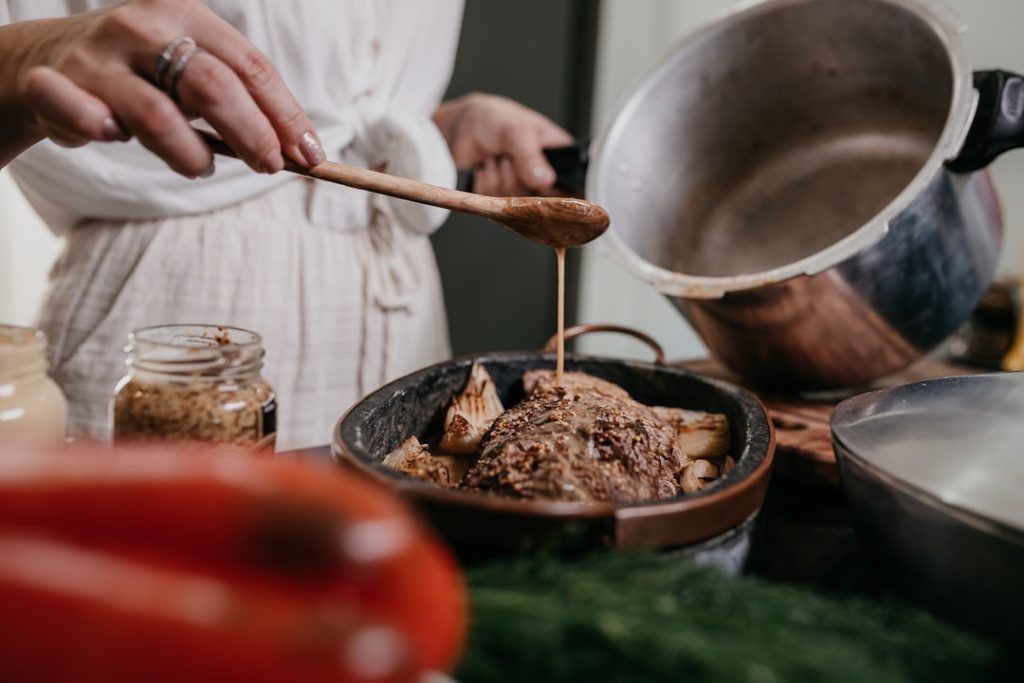
The third dish, afelia, intrigues me precisely because of its rarity. Slow-cooked pork with red wine and crushed coriander seeds sounds deceptively simple, yet it’s virtually unknown outside Cypriot households. This exclusivity isn’t just culinary snobbery – it represents authentic flavors that haven’t been diluted by mainstream adaptation.
I believe dishes like afelia offer something invaluable to adventurous cooks: the opportunity to experience genuinely authentic flavors. However, this isn’t for everyone. Conservative eaters or those uncomfortable with unfamiliar spice combinations might find coriander-heavy pork challenging.
What strikes me most about these recipes is their democratic nature. None require expensive ingredients or specialized equipment, yet they deliver restaurant-quality results. This accessibility matters enormously in an era when many people feel intimidated by cooking.

The broader lesson here extends beyond individual recipes. These dishes represent a cooking philosophy that prioritizes flavor development over convenience, tradition over trends. For home cooks willing to embrace slower methods, they offer a pathway to more satisfying, authentic meals.
However, I must acknowledge these recipes aren’t universally suitable. Time-pressed individuals or those preferring lighter, quicker meals might find these hearty, slow-cooked dishes too heavy for regular rotation. The commitment to longer cooking times also won’t appeal to everyone.
What I find most valuable about exploring these lesser-known dishes is how they expand our culinary vocabulary. While mainstream Mediterranean cooking often focuses on Italian and Spanish influences, these Greek and Cypriot preparations offer different perspectives on familiar ingredients.
The emphasis on one-pot cooking and minimal preparation particularly appeals to practical home cooks. These aren’t dishes designed to impress dinner party guests with technical prowess – they’re designed to nourish families with honest, flavorful food.
For those willing to step outside their comfort zones, these recipes offer genuine rewards. They represent cooking at its most fundamental level: good ingredients, proper technique, and patience. In our fast-paced world, that combination feels increasingly precious.
Photo by Vitor Monthay on Unsplash
Photo by Rumman Amin on Unsplash