
Legal Risks of Physical Intervention During Aircraft Emergency Evacuations
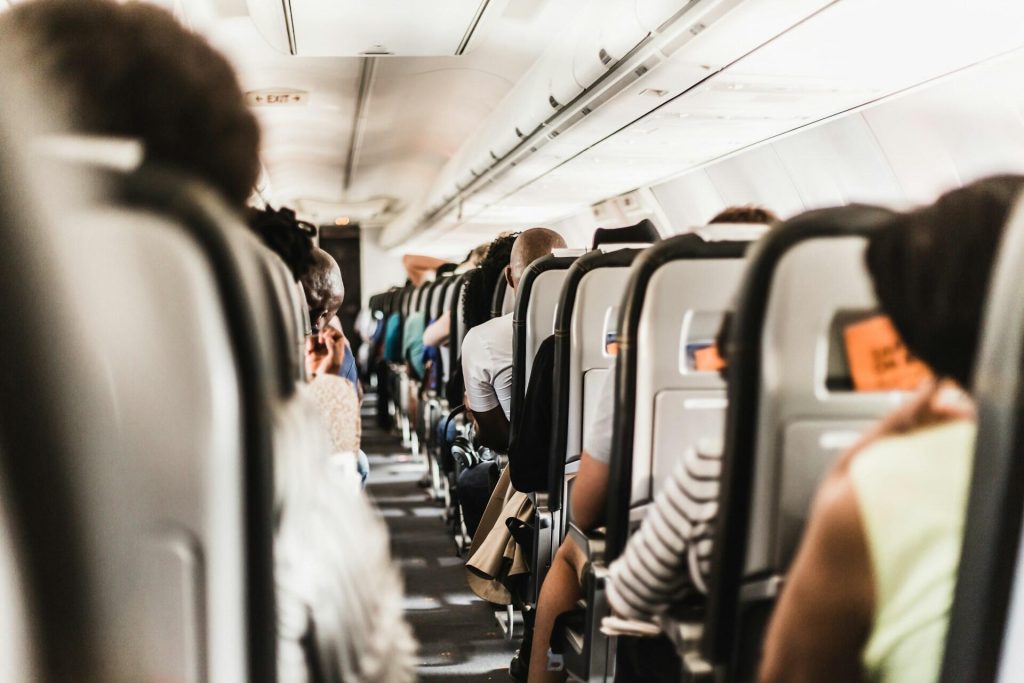
The recurring problem of passengers retrieving carry-on luggage during aircraft evacuations has sparked important questions about what actions fellow travelers can legally take to expedite life-saving procedures. In my view, this represents one of the most frustrating aspects of modern air travel safety – watching people prioritize possessions over collective survival.
The Persistent Baggage Problem
Recent incidents have highlighted how passengers consistently ignore crew commands to leave belongings behind during emergency evacuations. A Frontier Airlines evacuation in Denver following a runway incident became yet another example of travelers slowing escape procedures by collecting personal items. This behavior pattern has become so predictable that aviation authorities now specifically address it in safety recommendations.
What strikes me as particularly concerning is how normalized this dangerous behavior has become. Airlines have resorted to consulting psychologists and modifying safety briefings, yet passengers continue to risk lives for material possessions. This suggests a fundamental disconnect between perceived and actual emergency severity that puts everyone at risk.
Legal Implications of Passenger Intervention
The question of liability when passengers take matters into their own hands during evacuations reveals interesting legal territory. Aviation litigation expert David Katzman explains that courts typically evaluate emergency behavior through a different lens than everyday conduct. This makes sense from a practical standpoint – emergency situations demand split-second decisions under extreme stress.
I believe this legal understanding is crucial for frequent travelers who mentally prepare for emergency scenarios. The reality is that if someone ahead of you is endangering lives by retrieving luggage, your options for intervention exist within a gray area where emergency context matters significantly.
Courts generally haven’t held passengers liable for actions taken during aircraft evacuations, whether that involves moving someone’s property or physically maneuvering past obstructive individuals. The legal standard focuses on whether actions were reasonable given the emergency circumstances rather than applying normal social interaction rules.
Who Should Care About These Legal Protections
This information is most relevant for frequent business travelers and aviation professionals who regularly consider emergency preparedness. These individuals often sit in exit rows or premium cabin positions where they might need to assist in evacuation procedures. Understanding legal protections can inform their decision-making during actual emergencies.
Conversely, occasional leisure travelers probably shouldn’t overthink these scenarios. The stress of worrying about legal liability during an emergency could actually impair judgment when quick action is needed. For most passengers, focusing on following crew instructions and moving quickly without belongings remains the primary concern.
The Broader Safety Testing Problem
What I find most troubling is how current evacuation testing standards fail to reflect real-world conditions. Federal regulations require airlines to demonstrate 90-second evacuations, but these tests use prepared volunteers without luggage, disabilities, or the psychological stress of actual emergencies. This creates a dangerous gap between regulatory compliance and operational reality.
The 2024 Japanese jetliner incident, which took 18 minutes to evacuate despite passengers largely leaving belongings behind, demonstrates how even compliant behavior can exceed safety assumptions. Congressional action through the EVAC Act represents progress, but the evaluation process moves too slowly while passengers continue facing these risks.
Practical Implications for Travelers
The legal framework essentially protects passengers who take reasonable action to expedite evacuations, but this shouldn’t encourage vigilante behavior. Physical intervention should remain a last resort when someone’s actions clearly endanger others. The chaotic nature of emergencies makes it difficult to assess situations accurately in real-time.
For aviation safety advocates, these legal protections support arguments for more assertive passenger education and stricter enforcement of evacuation procedures. Airlines need stronger deterrents against baggage retrieval, possibly including post-incident penalties for non-compliance with crew instructions.
Ultimately, the best outcome involves preventing these situations through better passenger education and more realistic safety testing. Until that happens, understanding the legal landscape helps informed travelers make better decisions when seconds count and lives hang in the balance.