
Memory Chip Giant Reaches Historic $1 Trillion Valuation Amid AI Boom
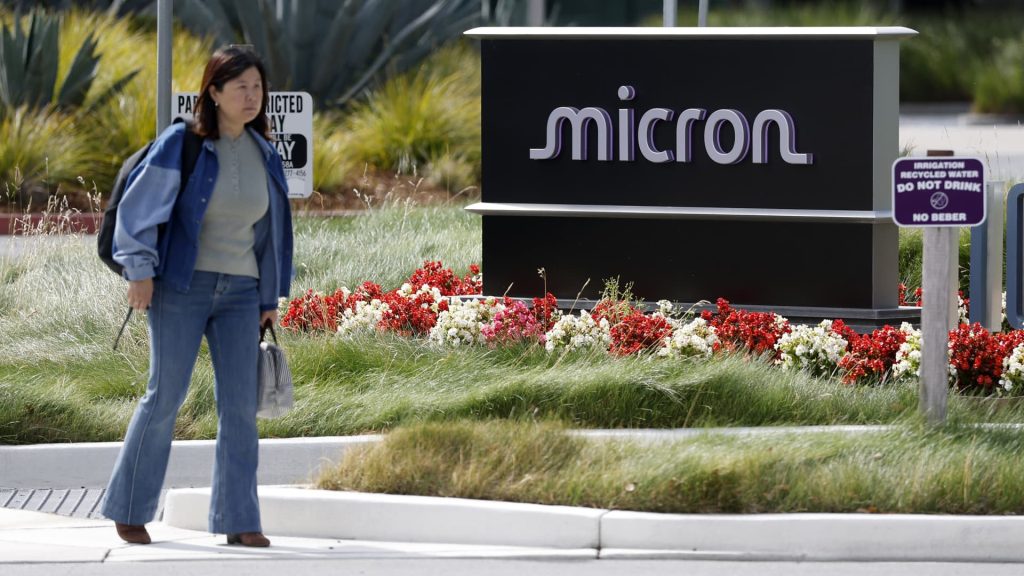
The semiconductor industry witnessed a remarkable milestone this week as a major memory chip manufacturer achieved a $1 trillion market capitalization for the first time, with shares climbing 19% in a single trading session. This historic achievement underscores the transformative impact artificial intelligence is having on the technology sector.
What’s particularly striking about this development is how it reflects a fundamental shift in investor sentiment toward memory technology companies. For years, these firms were viewed as cyclical businesses subject to boom-and-bust cycles. Now, they’re being recognized as essential infrastructure providers for the AI revolution. I believe this recognition is long overdue, though the current valuations may be getting ahead of themselves.
The surge was catalyzed by UBS analysts who dramatically increased their price target from $535 to $1,625 per share – essentially tripling their previous forecast. Their reasoning centers on long-term supply agreements with more stable pricing structures, which could provide the predictable revenue streams that investors crave. This represents a smart strategic pivot for memory companies, moving away from volatile spot pricing toward more sustainable contract-based models.
For technology investors, this presents both opportunity and risk. Those who understand the critical role of memory in AI processing – from training large language models to running inference workloads – will appreciate why these companies are suddenly commanding premium valuations. However, retail investors jumping in at these levels should be cautious about the inherent volatility in semiconductor stocks.
The broader implications extend beyond individual stock performance. We’re witnessing a diversification of the AI investment thesis beyond graphics processing unit manufacturers. Memory chips, central processing units, and specialized AI accelerators are all benefiting from what analysts describe as ‘agentic workloads’ – the next generation of AI applications that require massive computational resources.
What’s particularly interesting is how global memory shortages are creating pricing power for manufacturers. This supply-demand imbalance has allowed companies to raise prices significantly, benefiting firms across the memory ecosystem including South Korean and other international competitors. The shortage reflects the explosive growth in AI applications that few anticipated just two years ago.
For corporate technology buyers, this trend signals potentially higher costs for memory-intensive applications. Companies planning AI deployments should factor in these elevated memory costs when budgeting for infrastructure upgrades. The days of cheap, abundant memory may be temporarily behind us.
The semiconductor rally extends beyond memory chips. Traditional processor manufacturers are experiencing their own renaissance, with some stocks up more than sixfold as they benefit from government investments and renewed focus on domestic chip production. This represents a significant turnaround for companies that had previously struggled to capitalize on AI trends.
I believe we’re witnessing a maturation of AI investing, where capital is flowing toward the entire technology stack rather than concentrating in a few dominant players. This diversification is healthy for the industry and creates opportunities for investors willing to research the complex semiconductor supply chain.
However, potential investors should approach these valuations with caution. While the long-term prospects for AI-driven memory demand appear strong, the current market enthusiasm may have pushed prices beyond reasonable fundamentals. The semiconductor industry remains cyclical, and today’s shortage could become tomorrow’s oversupply if demand patterns shift or new capacity comes online faster than expected.