
Mid-Century Mountain Cabin Embraces Digital Detox Philosophy
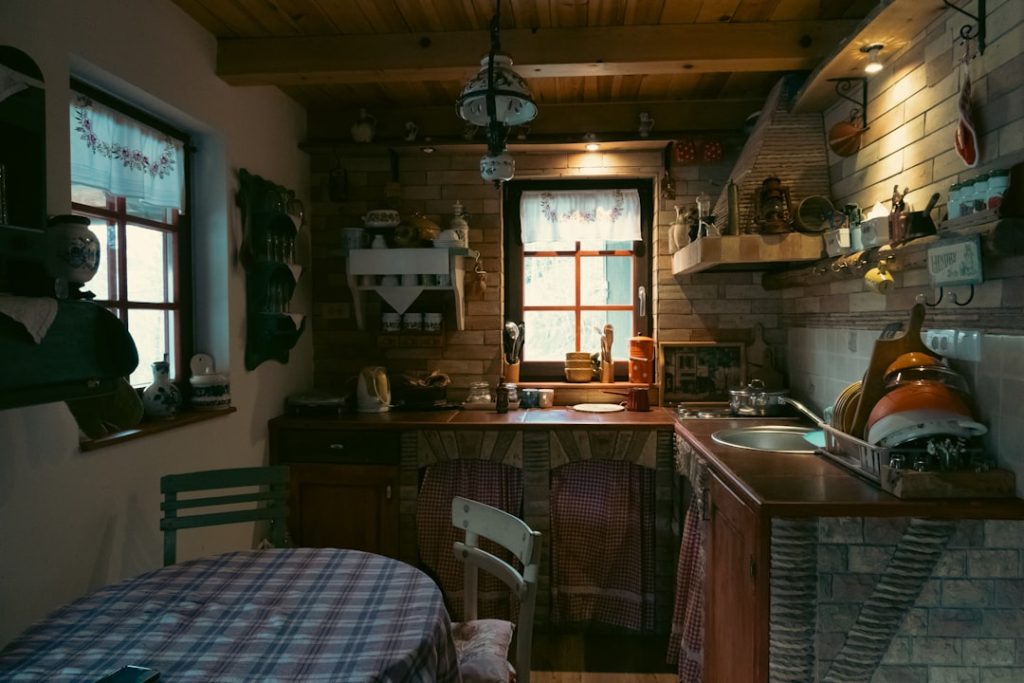
In an era where screens dominate our daily lives, one creative professional has taken a bold stance by transforming a 1959 A-frame cabin into a deliberately analog sanctuary. This mountain retreat represents more than just interior design—it’s a manifesto against our hyper-connected culture.
The decision to eliminate television from this California mountain hideaway strikes me as both refreshing and necessary. While many people claim they want to disconnect, few have the courage to actually remove the devices that tether us to constant stimulation. This approach will resonate deeply with creative professionals, writers, and anyone seeking genuine mental restoration.
Vintage Authenticity in Modern Times
The cabin’s blend of original 1959 architectural elements with carefully curated vintage furnishings creates an atmosphere that feels both nostalgic and intentional. I believe this approach works because it doesn’t try to recreate the past wholesale—instead, it selectively incorporates elements that enhance the space’s character while serving contemporary needs.

This aesthetic choice isn’t for everyone, though. Minimalists who prefer clean lines and sparse decoration might find the vintage-heavy approach cluttered. Similarly, families with young children might struggle with the practicality of maintaining delicate vintage pieces in a vacation setting.
The Psychology of Analog Spaces
What fascinates me about this transformation is how it addresses a genuine psychological need. The absence of television forces occupants to engage with their environment and each other in ways that feel increasingly rare. This makes the space particularly valuable for couples seeking to reconnect, friend groups wanting meaningful conversations, or individuals pursuing creative projects.
However, I suspect this approach has limitations. Business travelers who need constant connectivity, or families accustomed to screen-based entertainment, might find the experience more stressful than restorative. The key is knowing your audience and your own relationship with technology.

Investment in Experience Over Convenience
The owner’s commitment to preserving 1959 details while adding personal touches demonstrates a thoughtful approach to renovation. Rather than gutting the space for modern convenience, they’ve chosen to work with the cabin’s inherent character. This philosophy creates spaces with soul—something increasingly rare in our efficiency-obsessed culture.
From a practical standpoint, this approach requires more effort and intentionality from guests. You can’t simply collapse in front of a screen after a long day. Instead, you’re encouraged to read, converse, play games, or simply observe your surroundings. For some, this represents the ultimate luxury; for others, it might feel like deprivation.
This mountain retreat ultimately succeeds because it commits fully to its vision. Half-measures—like hiding a television in a cabinet—would undermine the entire concept. The space works because it forces a complete mental shift, creating an environment where analog pleasures can genuinely compete with digital distractions.
Photo by Faris Mohammed on Unsplash
Photo by Clay Banks on Unsplash
Photo by Annie Spratt on Unsplash