
Off-Season Mediterranean Cruising: Why Shoulder Season Delivers Superior Experiences
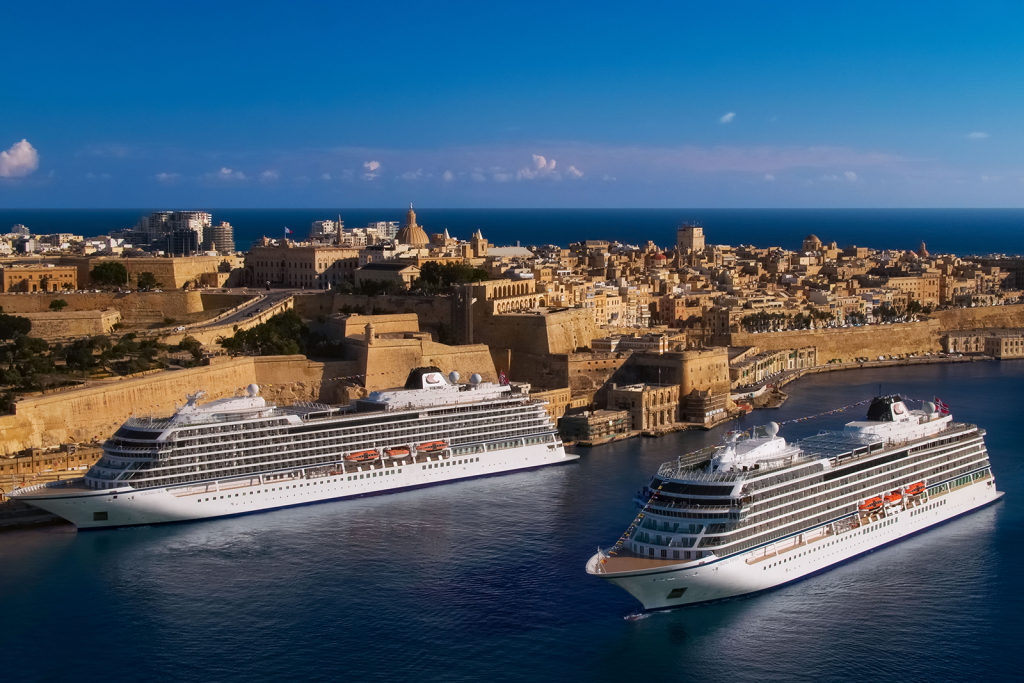
Having explored the Mediterranean during both peak summer months and quieter periods, I can confidently say that timing makes all the difference. Off-season cruising transforms what can be an overwhelming tourist experience into something far more authentic and enjoyable.
The Crowd Factor Changes Everything
The most striking advantage of shoulder season Mediterranean cruising is the dramatic reduction in crowds. During my recent April voyage through Greek islands and Turkish coastal towns, I witnessed destinations that typically host thousands of daily visitors in near-solitude. Rhodes, for instance, normally sees up to five cruise ships docking simultaneously during summer peak, unloading 10,000 visitors into its medieval streets. We were the only ship in port.
This matters tremendously for anyone seeking genuine cultural immersion. Walking through the Street of the Knights in Rhodes without navigating through selfie sticks and tour groups allowed for meaningful conversations with our guide and unhurried appreciation of Gothic architecture. The same applies to Crete’s archaeological sites and Turkey’s ancient ruins – experiencing these places without fighting crowds fundamentally changes the quality of your visit.
However, this advantage primarily benefits travelers prioritizing cultural exploration over beach activities. If your Mediterranean dream involves lounging on sun-soaked beaches, off-season cruising isn’t for you.
Weather That Actually Enhances Sightseeing
Contrary to popular belief, I believe Mediterranean shoulder season weather is superior for most travelers. April temperatures in the 60s create ideal touring conditions – comfortable enough for extensive walking without the energy-draining heat that makes summer sightseeing exhausting.
Having toured Istanbul’s Hagia Sofia and the Acropolis in both sweltering July heat and cool April weather, the difference is remarkable. You can actually focus on historical significance rather than seeking shade every few minutes. Even winter temperatures in the 50s prove more conducive to exploration than 90-degree summer days.
This perspective won’t resonate with sun-worshippers or those whose Mediterranean experience centers on beach clubs and swimming. For them, summer remains the obvious choice.
Authentic Local Interactions
Off-season travel reveals destinations as they truly are, not tourist-focused versions of themselves. Local guides are more relaxed, restaurant staff more welcoming, and you encounter actual residents going about their daily lives rather than tourist-industry workers managing crowds.
In Rhodes, our guide’s enthusiasm was infectious – he wasn’t burnt out from months of repetitive tours. Athens’ Plaka district felt like a genuine neighborhood rather than an outdoor museum. These authentic interactions prove invaluable for culturally curious travelers but may disappoint those seeking the bustling energy of peak-season tourist areas.
Financial Advantages That Matter
The economic benefits of off-season cruising are substantial and shouldn’t be overlooked. January Mediterranean sailings can cost 50-60% less than summer departures, with similar savings on flights and shore excursions. For budget-conscious travelers or those who prefer spending money on experiences rather than premium timing, this represents significant value.
However, wealthy travelers who prioritize convenience and aren’t price-sensitive might find these savings irrelevant compared to summer’s guaranteed weather and fully operational tourist infrastructure.
Who Benefits Most From This Approach
Off-season Mediterranean cruising particularly suits mature travelers, history enthusiasts, photographers seeking unobstructed shots, and anyone who values authentic cultural experiences over conventional tourist activities. It’s perfect for people who find crowds stressful and prefer contemplative travel.
Conversely, this approach doesn’t work for families with school-age children (limited to summer travel), beach lovers, nightlife seekers, or travelers who want guaranteed sunny weather and fully operational tourist facilities.
The Infrastructure Reality
One consideration often overlooked: some tourist infrastructure operates on reduced schedules during off-season. Certain restaurants close, beach facilities shut down, and some attractions have limited hours. While this contributes to the authentic atmosphere I appreciate, it can frustrate travelers expecting full tourist services.
The cruise line’s onboard amenities become more important during cooler weather, making ship selection crucial. Vessels designed for all-weather cruising, with covered pool areas and extensive indoor facilities, prove essential for off-season success.
My Final Assessment
Off-season Mediterranean cruising represents travel at its most rewarding for the right type of traveler. The combination of reduced crowds, pleasant weather, authentic experiences, and significant savings creates compelling value for culturally motivated visitors.
However, this isn’t a universal recommendation. Your travel style, priorities, and constraints should determine timing. If you’re seeking Instagram-perfect beach photos, vibrant nightlife, or guaranteed sunshine, stick with summer. But if you value meaningful cultural experiences, comfortable exploration conditions, and authentic local interactions, shoulder season delivers superior results.
The Mediterranean’s treasures shine brightest when you can actually see them clearly – something that’s far easier when you’re not competing with thousands of other visitors for the same view.