
Oil Prices Plummet as Iranian Media Reports Potential Peace Agreement Draft
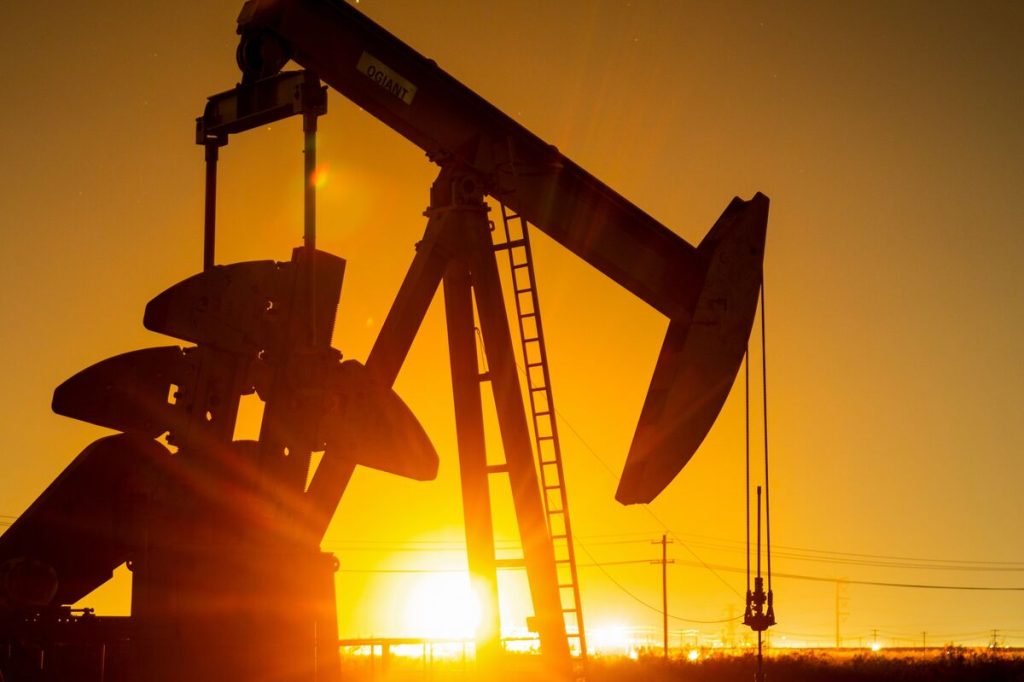
Global oil markets experienced a sharp decline following reports from Iranian television networks claiming they had accessed an unofficial version of a preliminary peace agreement. The document allegedly outlines terms that could potentially end the ongoing conflict and restore normal shipping operations through the strategically vital Strait of Hormuz.
This development represents exactly the kind of market volatility that sophisticated energy traders thrive on, while simultaneously creating headaches for everyday investors who lack the resources to navigate such rapid price swings. The reality is that geopolitical rumors in oil markets often prove more significant than actual supply and demand fundamentals, which I believe creates an inherently unstable investment environment.
The Strait of Hormuz serves as one of the world’s most critical maritime chokepoints, with approximately one-fifth of global petroleum liquids passing through this narrow waterway. Any disruption to shipping lanes in this region typically sends shockwaves through international energy markets, making even unverified reports of potential agreements highly influential on pricing mechanisms.
What strikes me as particularly noteworthy is how quickly markets react to unconfirmed media reports. This highlights a fundamental weakness in how energy commodities are priced – speculation often drives values more than actual production capacity or consumption patterns. For long-term investors focused on energy sector stability, this creates an environment where patience and risk tolerance become essential qualities.
Market participants are now closely monitoring diplomatic channels for any official confirmation of these preliminary discussions. However, I would caution against placing too much weight on early-stage negotiations, as peace talks in this region have historically proven fragile and subject to rapid reversals.
The current situation primarily benefits short-term commodity traders who can capitalize on price volatility, while potentially disadvantaging consumers and businesses that rely on stable energy costs for operational planning. Airlines, shipping companies, and manufacturing sectors that depend on predictable fuel expenses may find themselves particularly vulnerable to these market fluctuations.
From my perspective, the broader implications extend beyond immediate price movements. If genuine progress toward regional stability emerges, it could fundamentally reshape global energy supply chains and reduce the geopolitical risk premium currently built into oil pricing structures.