
Restaurant Chain Attempts Bold Transformation to Win Back Mainstream Diners
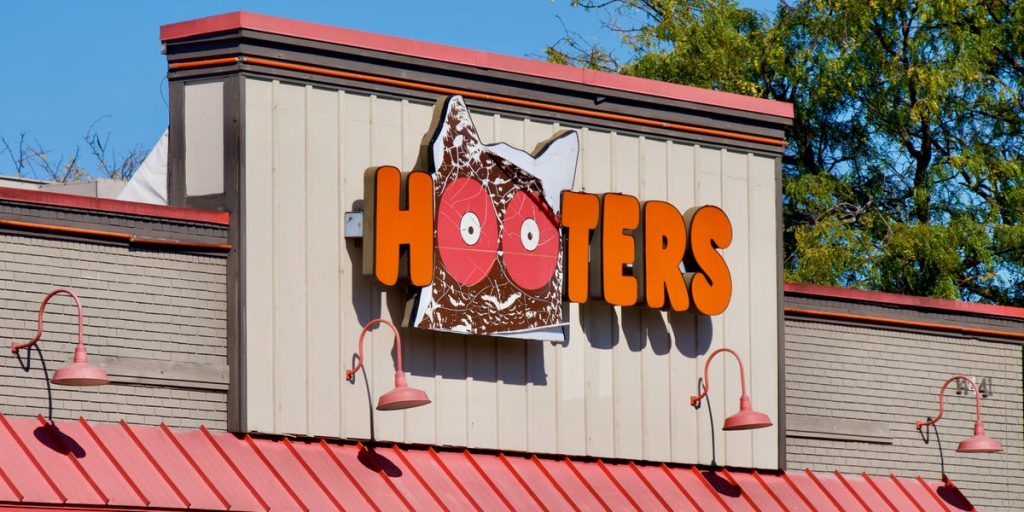
The casual dining industry is witnessing an intriguing experiment in brand rehabilitation as a well-known restaurant chain attempts to shed its provocative image in favor of broader family appeal. This strategic pivot represents one of the most dramatic rebranding efforts in recent restaurant history, and frankly, I’m skeptical about its chances of success.
From Beach Bar to Brand Crisis
The establishment in question built its reputation on a very specific formula that combined casual dining with what many would consider inappropriate workplace attire for servers. According to current leadership, this approach strayed significantly from the founders’ original vision of a relaxed beachside eatery. CEO Neil Kiefer has publicly stated that the brand became something the creators never intended, evolving into something far more provocative than originally planned.
I think this explanation conveniently overlooks decades of deliberate marketing decisions. The chain didn’t accidentally stumble into controversy – it cultivated and profited from it for years. Now that societal attitudes have shifted and financial troubles have mounted, suddenly there’s a desire to return to some mythical innocent past.
Financial Pressures Drive Change
The transformation comes at a critical juncture for the company. After filing for Chapter 11 bankruptcy protection, original founders returned to take greater control of operations. This timing suggests the rebranding isn’t purely philosophical – it’s a survival strategy born from financial necessity.
The most visible changes involve server uniforms, which leadership admits had become increasingly revealing over time. The company has reintroduced previous uniform designs, including more modest shorts that characterized earlier periods of the brand’s history. Management acknowledged that recent uniform changes had pushed boundaries too far, describing some iterations as resembling swimwear more than appropriate work attire.
Menu and Atmosphere Overhaul
Beyond clothing changes, the establishment is revamping its culinary offerings and overall dining environment. Leadership has criticized previous iterations for using substandard ingredients and sauces, suggesting the food quality had deteriorated alongside the brand’s reputation. The goal is creating an environment where customers feel comfortable dining without needing to justify their presence.
This comprehensive approach makes sense from a business perspective. If you’re going to rebrand, you can’t just change uniforms and expect different results. The food, service, and atmosphere all need to support the new identity.
The Reality Check
While I appreciate the attempt at transformation, I remain doubtful about its effectiveness. Decades of brand positioning don’t evaporate because management decides to use different messaging. The chain built its identity around a very specific appeal, and that reputation will likely persist regardless of uniform modifications or menu improvements.
This rebranding effort will primarily benefit investors and franchisees desperate to salvage their investments. For families genuinely seeking appropriate dining environments, countless other options exist without the baggage this establishment carries. The transformation might attract some curious diners initially, but sustaining that interest requires more than cosmetic changes.
The restaurant industry has evolved significantly, with consumers increasingly prioritizing authentic experiences and genuine hospitality over gimmicky concepts. In 2026, nostalgia and novelty alone cannot sustain a restaurant business – quality food, excellent service, and genuine value proposition matter most.
Ultimately, this rebranding represents a fascinating case study in corporate reinvention, but I suspect the chain’s reputation will prove more durable than management hopes. Sometimes the most honest approach is acknowledging what you are rather than trying to become something fundamentally different.