
Screenless Fitness Trackers: The AI-Powered Future of Health Monitoring
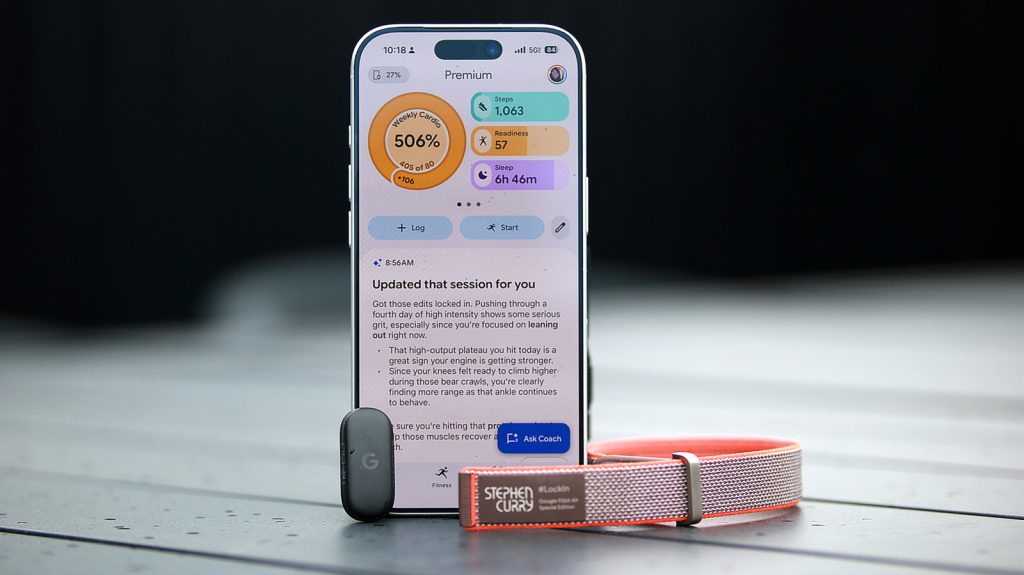
The fitness tracking landscape is experiencing a fascinating shift toward screenless devices, and I believe this represents a genuine evolution in how we approach health monitoring. After spending considerable time with one of the latest entries in this space, I’m convinced that AI-powered coaching combined with minimalist hardware design offers something truly valuable for the right user.
The Appeal of Going Screenless
What strikes me most about screenless fitness trackers is their philosophical approach to health monitoring. Instead of constantly checking your wrist for metrics, these devices encourage a more mindful relationship with your fitness data. The experience centers entirely around smartphone apps and AI-powered insights, which I find refreshing in our screen-saturated world.
The hardware itself is remarkably unobtrusive – weighing just over 5 grams and measuring roughly the size of a large pill. This minimalist design philosophy really works for people who find traditional smartwatches too bulky or distracting during sleep. However, I must emphasize that this approach isn’t for everyone. If you’re someone who needs to glance at your wrist for the time, heart rate during workouts, or quick notifications, you’ll find this category frustrating.
Who Benefits Most
I believe screenless trackers excel for three specific user types. First, serious fitness enthusiasts who prioritize comprehensive health analytics over convenience features. These users typically review their data thoughtfully rather than seeking instant gratification from wrist-based displays. Second, people struggling with sleep tracking comfort – the lightweight design makes overnight wear genuinely tolerable. Third, individuals who want health insights without the addictive pull of another screen in their lives.
AI Coaching: Revolutionary or Overhyped?
The AI coaching feature represents the most significant advancement in this category, and frankly, it’s where I see the real value proposition. The ability to have natural conversations about your health data transforms how you interact with fitness tracking. Asking the AI to “log the same breakfast I had yesterday” and having it understand exactly what you mean feels genuinely useful.
However, I need to be honest about the limitations. The AI occasionally makes bizarre errors – like confusing a high-intensity workout with a casual walk based solely on heart rate data. These aren’t just minor glitches; they can undermine trust in the system’s analysis. The conversational patterns also become formulaic quickly, which diminishes the personalized feel over time.
Safety Considerations
What concerns me most is the AI’s approach to sensitive health topics. While it generally maintains appropriate boundaries around medical advice, I noticed some responses that could be problematic for users with eating disorders or body image issues. The system’s suggestion to “try tracking nutrition” in response to body image concerns feels tone-deaf and potentially harmful.
Battery Life: A Critical Weakness
Here’s where I think this category still needs work. Seven days of battery life feels insufficient for a device without a power-hungry display. When competitors offer two weeks of usage, this becomes a meaningful disadvantage. The fast charging partially compensates, but I’d prefer not needing to charge weekly.
The Subscription Question
The pricing model represents a significant advantage over established competitors. At $100 for the hardware with basic AI features included, this approach makes sense for budget-conscious users. The optional premium subscription at $10 monthly feels reasonable compared to competitors requiring $200-360 annual commitments just to access basic functionality.
Who Should Skip This Category
I strongly advise against screenless trackers if you rely on your wrist device for timekeeping, workout metrics during exercise, or quick interactions. The learning curve for app-centric health monitoring also makes this unsuitable for users who prefer simple, straightforward fitness tracking without AI complexity.
The Broader Market Reality
This category remains niche despite growing investment interest. Most consumers still prefer the versatility of traditional smartwatches or the simplicity of basic fitness bands. The screenless approach demands a specific mindset about health tracking that many users haven’t adopted.
Final Assessment
Screenless AI-powered fitness trackers represent genuine innovation in health monitoring, but they serve a specific audience. The combination of unobtrusive hardware and sophisticated software analysis creates compelling value for users who prioritize comprehensive health insights over convenient wrist-based interactions.
I believe this technology will improve significantly as AI systems become more reliable and nuanced. For early adopters willing to work with imperfect AI coaching in exchange for detailed health analytics, these devices offer meaningful benefits. However, mainstream users should probably wait for the next generation of refinements before making the switch from traditional fitness trackers.
The future of health monitoring likely includes more AI-powered insights, but the screenless form factor will remain a specialized choice rather than a universal replacement for existing fitness tracking approaches.