
Tax Policy and Social Benefits Take Center Stage in Upcoming Scottish Parliamentary Election
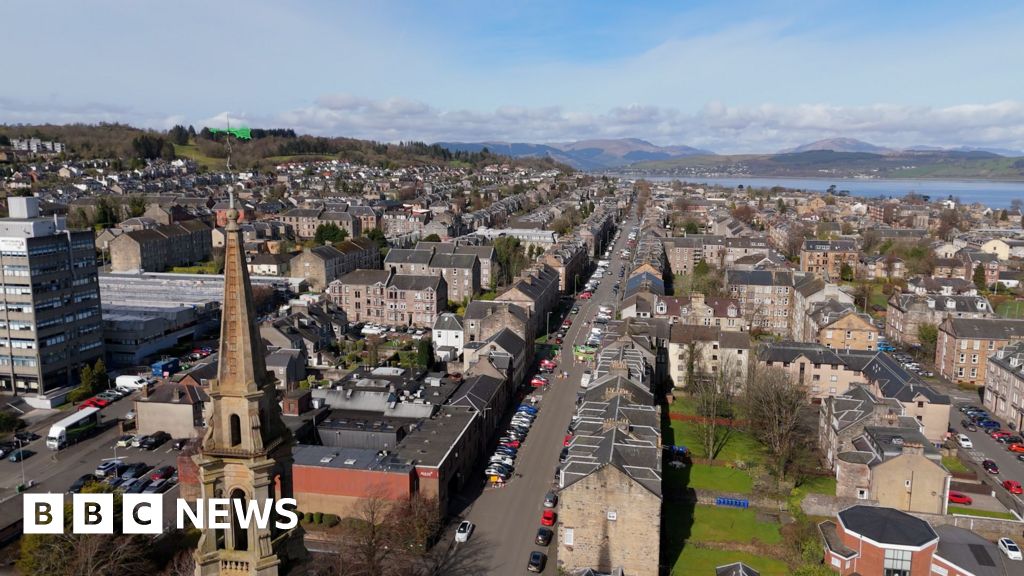
The upcoming Scottish Parliamentary election scheduled for May 7th represents a pivotal moment for voters to evaluate the nation’s divergent approach to taxation and social welfare policies that have evolved significantly since 2017.
Progressive Tax Structure Creates Winners and Losers
Scotland has implemented a distinctive six-tier income tax system, contrasting sharply with the three-tier structure used across England, Wales, and Northern Ireland. This progressive framework results in lower-income earners paying marginally less tax than their counterparts elsewhere in the United Kingdom, while middle and higher-income individuals face substantially increased tax burdens.
According to projections from the Institute for Fiscal Studies, approximately 55% of Scottish income tax payers earning up to £33,500 annually will benefit from reduced tax liability compared to similar earners in other UK regions. However, these savings amount to modest sums of no more than £40 per year.
Conversely, the remaining 45% of taxpayers earning above £33,500 face higher tax bills, with individuals earning £50,000 paying approximately £1,500 more annually in income tax. For those earning £125,000, the additional burden reaches around £5,200 per year.
Social Security Expansion and Child Poverty Initiatives
The governing party has significantly expanded social security spending, most notably through the introduction of the Scottish Child Payment in 2021. Initially set at £10 weekly for children under six, this benefit has grown to £28.20 and now covers children up to age 15 in low-income families.
Current leadership has proposed further increases, with plans to raise payments to £40 weekly for families with children under 12 months if re-elected. The Joseph Rowntree Foundation estimates that over 210,000 children in Scotland live in relative poverty, representing more than one in five children.
The Scottish Parliament established legally-binding targets in 2017 to reduce child poverty to below 10% by 2030, though interim milestones have not been met.
Rising Disability Benefits Raise Budget Concerns
Scotland’s more accessible disability benefit system has contributed to a notable increase in claims. The percentage of Scottish adults reporting disabilities rose from 19% to 28% between 2020 and 2023, while the figure for children jumped from 6% to 12%.
The Scottish Fiscal Commission forecasts that disability payment recipients will exceed one million by 2030-31, representing more than one in six residents. This trend has prompted warnings from Audit Scotland about potential budget shortfalls reaching £770 million by 2029-30.
Political Divide on Economic Philosophy
The election presents voters with two distinct approaches to economic policy. Progressive parties advocate for maintaining or expanding the current system of higher taxation funding enhanced social benefits as a poverty reduction strategy.
Conservative parties propose reducing both taxes and benefit spending, arguing that lower tax burdens will stimulate economic growth and ultimately improve living standards. The Conservative manifesto specifically targets tightening eligibility for disability payments and implementing spending caps on child benefits.
Reform UK has pledged to cut income tax rates below those in other UK regions while promising rigorous assessment of welfare claimants to reduce spending.
Economic Challenges and Growth Debates
The election occurs against the backdrop of long-term economic transformation, as Scotland transitioned from manufacturing to service industries throughout the late 20th century. The decline of traditional industries like coal mining, shipbuilding, and textile production left lasting impacts on many communities.
More recent challenges including the 2008 financial crisis, European Union departure effects, and the COVID-19 pandemic have further strained the economy. Some regions, particularly former industrial areas, continue to struggle with high poverty rates and economic inactivity.
Economic experts have expressed skepticism about campaign promises to generate growth through tax cuts while simultaneously reducing public spending through waste elimination, describing such proposals as lacking credibility.
The Institute for Fiscal Studies notes that while Scotland’s tax system should theoretically generate £1.8 billion more revenue than UK rates, actual collections are projected at under £1 billion due to behavioral responses to higher tax rates and slower earnings growth.
Ultimately, voters face a fundamental choice about whether Scotland’s current taxation and welfare approach represents progress toward greater equality or an impediment to economic prosperity.