
The Art of Transcultural Fashion: When Heritage Meets Contemporary Design
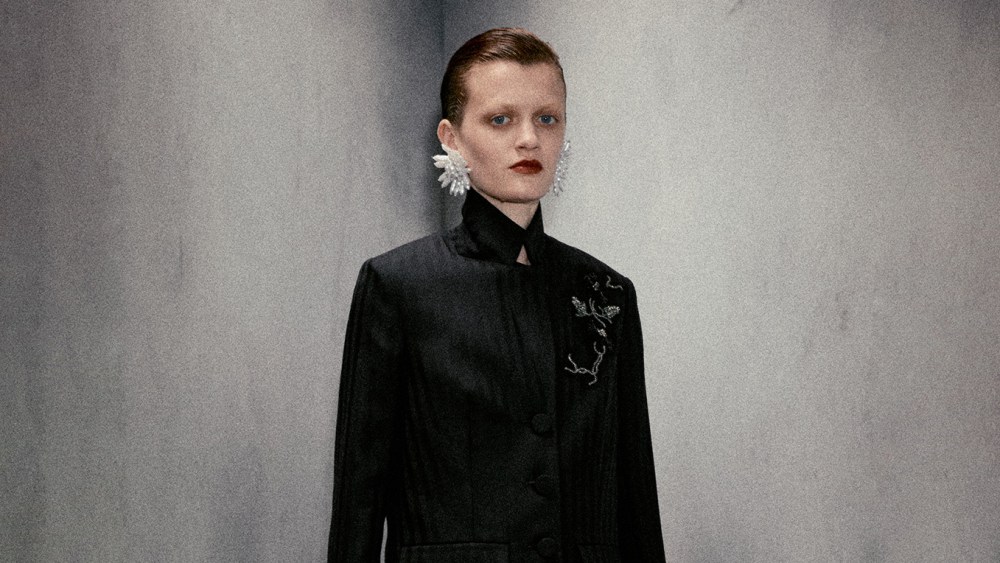
The fashion world continues to fascinate me with designers who can seamlessly blend cultural narratives with modern sensibilities. This approach to creating collections that speak to multiple audiences simultaneously represents what I believe is the future of luxury fashion – pieces that transcend geographical and cultural boundaries while maintaining artistic integrity.
What strikes me most about this particular design philosophy is how it draws inspiration from historical style icons who embodied this very duality. The reference to Italian socialite Marella Agnelli, who effortlessly navigated between European sophistication and American pragmatism in the 1960s, serves as a perfect metaphor for today’s global luxury consumer. Her ability to dress for multiple worlds resonates deeply with contemporary fashion needs.
The Power of Visual Storytelling in Fashion
I find it particularly compelling when designers use photography as a starting point for their collections. The collaboration with renowned photographer Richard Avedon’s imagery adds layers of artistic credibility that elevate the entire collection beyond mere clothing into wearable art. This approach benefits collectors and fashion enthusiasts who appreciate the intersection of photography, history, and design – though it may alienate consumers seeking more straightforward, trend-driven pieces.
The metaphor of a rose with thousands of petals perfectly captures what luxury fashion should aspire to be: complex, layered, and revealing new facets with each viewing. This design philosophy appeals to sophisticated consumers who value craftsmanship and storytelling over fast fashion trends.
Technical Innovation Meets Timeless Elegance
What impresses me most is the focus on crepe jersey as a signature fabric. This isn’t just about aesthetic choice – it’s strategic business thinking. The fabric’s versatility, drape, and practicality address real concerns of modern luxury consumers who want beautiful pieces that also function in their busy lives. This benefits working professionals and frequent travelers who need garments that transition seamlessly from day to evening.
The emphasis on couture-level interior finishing, even in ready-to-wear pieces, demonstrates a commitment to quality that I believe justifies luxury pricing. However, this level of detail may be lost on consumers who prioritize exterior appearance over construction quality.
Building a Complete Lifestyle Brand
The expansion into comprehensive daywear and cashmere knitwear represents smart brand development. Creating a “360-degree” wardrobe approach makes perfect sense for luxury brands – it increases customer lifetime value and creates deeper brand loyalty. This strategy particularly benefits high-net-worth individuals who prefer to streamline their shopping by investing in fewer, higher-quality brands.
However, I think this approach may not resonate with fashion enthusiasts who enjoy mixing multiple designers and brands. Some consumers prefer the excitement of discovery and variety over the convenience of a single-source wardrobe solution.
The Future of Luxury Fashion
This collection represents what I see as the evolution of luxury fashion: pieces that honor heritage while embracing modernity, that serve multiple occasions, and that justify their price points through superior construction and thoughtful design. The focus on architectural influences and graphic treatments creates what the designer calls “sharp and intellectual femininity” – a positioning that appeals to educated, successful women who want their clothing to reflect their sophistication.
Ultimately, this approach to fashion design benefits consumers who view clothing as investment pieces and appreciate the artistry behind luxury goods. It may not appeal to trend-focused shoppers or those seeking more accessible price points, but for its target demographic, it offers exactly what they’re seeking: beautiful, well-made pieces with compelling stories behind them.