
The Perfect Classic Red Sangria Recipe
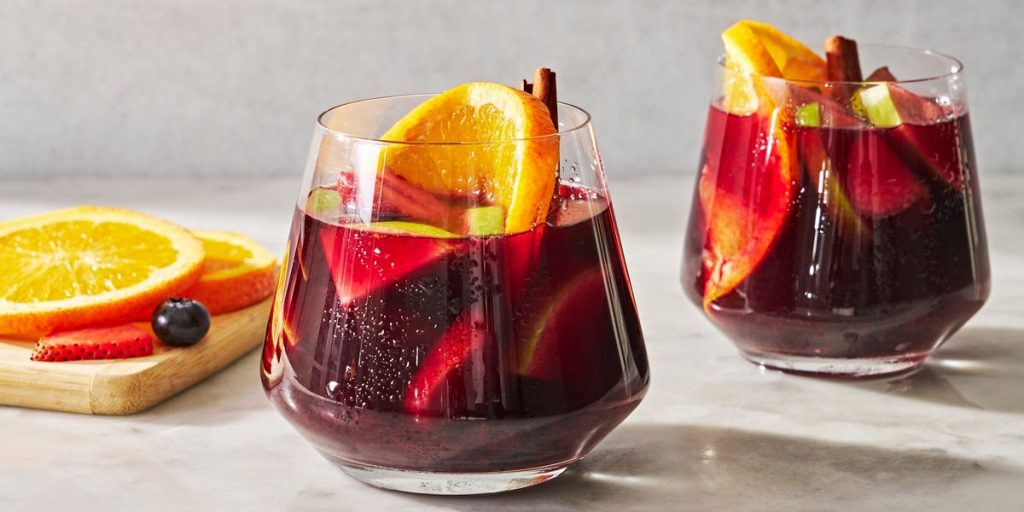
There’s something magical about a well-crafted red sangria that transforms any gathering into a celebration. This Spanish-inspired wine cocktail has become a global favorite, and frankly, I think it’s one of the most underrated party drinks out there. While many people assume sangria is just wine mixed with fruit, the reality is that creating an exceptional version requires understanding the delicate balance of flavors.
Why Red Sangria Deserves Your Attention
In my opinion, red sangria is the ultimate crowd-pleaser that works for virtually everyone except those who avoid alcohol entirely. It’s particularly perfect for hosts who want to serve something impressive without spending hours behind the bar mixing individual cocktails. The beauty lies in its make-ahead nature – you can prepare it hours before guests arrive, allowing the flavors to meld beautifully.
What I find most appealing about this drink is its versatility. Unlike cocktails that demand precise measurements and expensive spirits, sangria forgives experimentation and actually improves with personal touches. This makes it ideal for home entertainers who want to showcase creativity without requiring bartending expertise.
The Foundation: Choosing Your Wine
The wine selection is where many people go wrong, and I believe this is the most critical decision in the entire process. You don’t need an expensive bottle – in fact, I’d argue against it since you’re mixing it with other ingredients. However, you do need a wine with good structure and fruit-forward characteristics.
Spanish Tempranillo or Garnacha work exceptionally well, but domestic options like Merlot or Cabernet Sauvignon can produce excellent results. The key is avoiding wines that are too tannic or oak-heavy, as these characteristics become amplified and unpleasant when mixed with fruit and sweeteners.
Fruit Selection and Preparation
This is where creativity meets technique, and honestly, it’s my favorite part of the process. Traditional recipes call for oranges, lemons, and apples, but I think limiting yourself to these basics misses the point entirely. Seasonal fruit additions can elevate your sangria from good to memorable.
Summer calls for stone fruits like peaches and plums, while fall sangrias benefit from pears and cranberries. The crucial aspect isn’t which fruits you choose, but how you prepare them. Cutting fruit too large results in poor flavor extraction, while pieces that are too small become mushy and unappealing.
The Sweetening Strategy
Many recipes rely heavily on added sugar or simple syrup, but I believe this approach often creates overly sweet, one-dimensional drinks. The fruit itself provides natural sweetness, and additional sugar should complement, not dominate. A small amount of honey or agave nectar typically works better than granulated sugar, as these dissolve more easily and add complexity.
For those watching their sugar intake, this drink can be modified but requires careful balance. Reducing sweeteners means you’ll need to rely more on naturally sweet fruits and perhaps a splash of fruit juice.
Timing and Serving Considerations
The biggest mistake I see people make is serving sangria immediately after mixing. This drink absolutely requires time to develop – minimum two hours, preferably overnight. The fruit needs time to release its juices and flavors into the wine, creating that signature sangria taste.
Serving temperature matters more than most realize. Too cold and the flavors become muted; too warm and the alcohol becomes harsh. I recommend serving it well-chilled but not ice-cold, around 45-50 degrees Fahrenheit.
Who This Recipe Works For
This sangria recipe is perfect for casual entertainers, summer party hosts, and anyone looking to serve a sophisticated drink without complicated preparation. It’s particularly valuable for people who want to offer something more interesting than beer or basic wine but don’t have extensive cocktail-making experience.
However, it’s not ideal for formal dinner parties where individual attention to each guest’s drink preferences is expected, nor for those seeking a low-alcohol option, as the fruit and sweeteners can mask the wine’s strength, making it easier to overindulge.