
The Rise of Curated Fashion Discovery: Why Consumers Are Abandoning Fast Trends for Personal Style
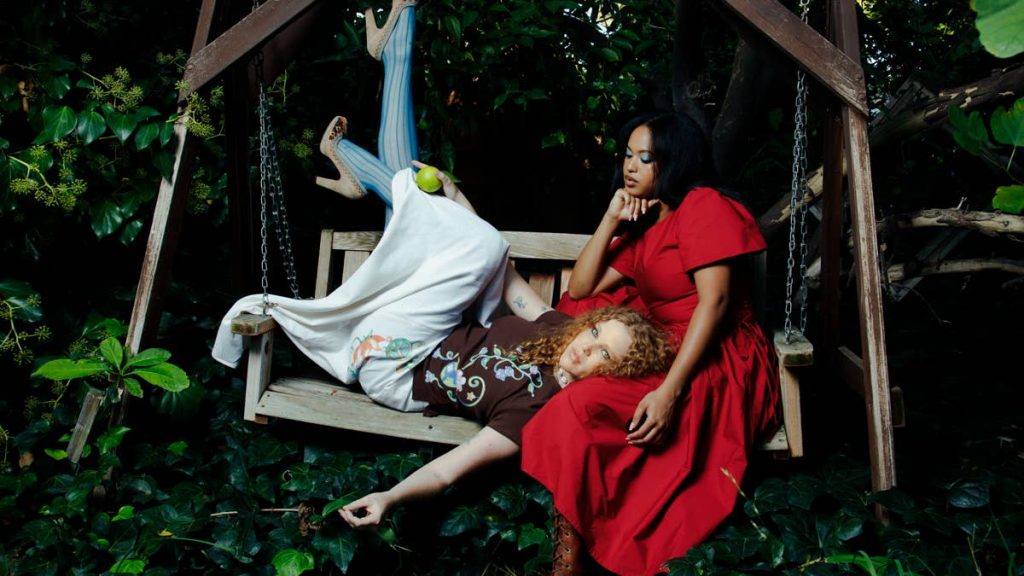
The fashion landscape is experiencing a fundamental shift that I find absolutely fascinating. We’re witnessing the death of micro-trends and the birth of something far more meaningful: authentic personal style discovery. This transformation is being driven by a new breed of content creators who are curating fashion recommendations around what they call ‘niche cool-girl’ aesthetics, and frankly, it’s about time.
What strikes me most about this movement is how it represents a complete rejection of the exhausting cycle of fast fashion trends. Instead of chasing whatever viral aesthetic is dominating feeds for a week, consumers are finally seeking clothing that speaks to their individual identity. This shift toward what industry experts call ‘hyper-individuality’ isn’t just a trend—it’s a necessary correction to years of homogenized fashion consumption.
I believe this phenomenon particularly resonates with younger consumers who have grown tired of looking like everyone else. The appeal of ‘if you know, you know’ culture creates an exclusive community feeling that mass-market brands simply cannot replicate. It’s smart positioning that makes consumers feel like insiders rather than followers.
The Content Creator Catalyst
Content creators like Yagmur Tok have built entire platforms around discovering and showcasing independent designers, particularly from underrepresented regions. What I find compelling about this approach is how it combines genuine cultural appreciation with savvy content strategy. These creators aren’t just selling products—they’re selling discovery and exclusivity.
The format works because it solves a real problem: choice paralysis in an oversaturated market. When faced with infinite options online, having a trusted curator do the research becomes genuinely valuable. However, I think it’s important to note that this only works when the curation feels authentic rather than purely commercial.
Independent Designers Reaping Real Benefits
For independent designers like Leeann Huang and Ella Mae, being featured in these curated videos has translated into tangible business results. Huang’s experience with her Blinking Eye skirt is particularly telling—a $330 piece that wasn’t selling suddenly moved 35 units after viral exposure, tripling her monthly revenue.
This demonstrates something I’ve long believed: consumers will pay premium prices for unique designs when they understand the value proposition. The key is education and exposure, which these curated videos provide effectively. However, this success model primarily benefits designers who already have strong visual aesthetics and can produce content-worthy pieces.
The Global Reach Advantage
What’s particularly exciting is how social media has democratized access to global markets. Independent designers in Los Angeles can now reach customers in Tokyo, London, and Sydney without traditional fashion industry gatekeepers. This represents a fundamental shift in how fashion businesses can scale, though it requires mastering digital marketing skills that many designers lack.
The Challenges That Matter
Despite the benefits, this trend isn’t without significant limitations that I think deserve honest discussion. The price point barrier is real—many consumers have been conditioned by fast fashion to expect unrealistically low prices. When faced with the true cost of ethical production, sticker shock often prevents purchases.
More concerning is the sizing inclusivity issue. Many of these ‘niche’ brands, particularly vintage sellers, offer limited size ranges that exclude significant portions of potential customers. This creates an unfortunate irony where the movement toward individuality simultaneously excludes many individuals.
The viral nature of social media also creates operational challenges for small businesses. A sudden surge in orders can overwhelm production capabilities, leading to delays and customer dissatisfaction. Additionally, viral exposure makes independent designers more vulnerable to fast-fashion copycats who can quickly replicate and mass-produce designs at lower prices.
Who This Movement Really Serves
I believe this trend primarily benefits consumers with higher disposable income who value uniqueness over affordability. It’s particularly relevant for fashion enthusiasts who see clothing as self-expression rather than mere necessity. Young professionals and creative individuals who want to stand out in their peer groups are the core audience.
However, this movement may not serve budget-conscious consumers or those who prefer the convenience and predictability of mainstream retail. The time investment required to research and discover these brands, combined with higher price points and longer shipping times, makes this approach impractical for many shoppers.
The Broader Industry Implications
What we’re seeing represents a broader shift toward what trend forecasters call ‘anti-algorithm dressing’—a deliberate rejection of AI-optimized, generic styles. This movement toward human craftsmanship and transparency in production is becoming a status symbol, which I think reflects growing consumer sophistication.
The rise of ‘de-influencing’ and ‘low-consumption’ trends suggests consumers are becoming more thoughtful about purchases. Rather than impulse buying, they’re seeking versatile, high-quality pieces with long-term appeal. This represents a maturation of consumer behavior that could reshape the entire fashion industry.
Looking Forward
I see this movement as fundamentally positive for the fashion industry’s sustainability and creativity. By supporting independent designers and rejecting fast fashion’s homogenizing influence, consumers are voting for a more diverse and ethical fashion ecosystem. However, success will depend on addressing the accessibility and inclusivity challenges that currently limit its reach.
The brands that will thrive in this environment are those that can balance exclusivity with inclusivity, offering unique designs while maintaining reasonable price points and size ranges. For consumers, the key is finding curators whose taste aligns with their values and budget constraints.
Ultimately, this shift toward curated discovery represents a return to fashion as personal expression rather than mass conformity. While it may not be accessible to everyone, it’s creating space for creativity and authenticity that has been missing from mainstream fashion for too long.