
Top Water Filtration Systems That Actually Improve Your Drinking Experience
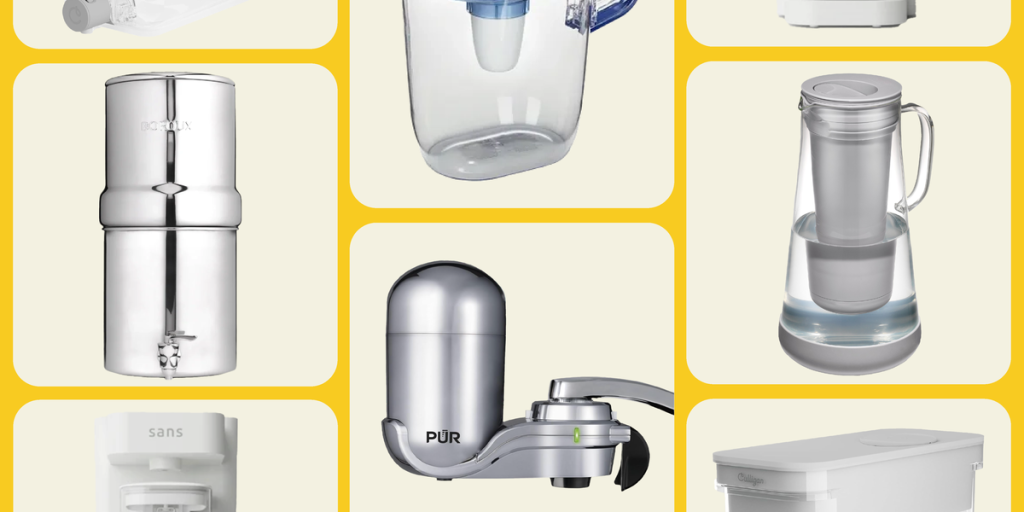
Let’s be honest about water filters – most people buy them thinking they’re all the same, then wonder why their tap water still tastes like chlorine or costs a fortune in replacement cartridges. After testing various filtration systems, I’ve found that the right choice depends entirely on your lifestyle and what you’re actually trying to achieve.
Traditional Pitcher Filters: The Reliable Workhorses
Standard 10-cup water pitchers remain popular for good reason – they’re affordable upfront and genuinely effective at removing chlorine taste and odor. I think these work best for small households or people who don’t drink massive amounts of water daily. However, if you’re someone who goes through multiple pitchers per day or has serious water quality concerns, you’ll find yourself constantly refilling and replacing filters.
The biggest advantage here is simplicity. You don’t need any installation skills, and replacement parts are widely available. But honestly, if you’re dealing with hard water or more complex contaminants, basic pitcher filters won’t cut it.
Glass Pitcher Options: When Aesthetics Matter
Glass filtration pitchers offer the same basic functionality but eliminate plastic contact with your drinking water. I believe these are perfect for people who care about both water quality and kitchen aesthetics, though they come with obvious durability concerns.
The hand-blown glass construction feels premium, but let’s be realistic – this isn’t ideal for households with children or anyone prone to dropping things. You’re paying extra for looks and the peace of mind that comes with avoiding plastic, which may or may not be worth it depending on your priorities.
Large Capacity Dispensers: For Serious Water Drinkers
Refrigerator-friendly dispensers holding up to two gallons solve the constant refilling problem that plagues smaller pitchers. These systems often include TDS meters to monitor water quality, which I find genuinely useful for knowing when filters need replacement.
This option makes sense for large families or anyone who drinks significant amounts of water daily. The narrow profile fits most refrigerators, but you’ll need dedicated fridge space. If you’re someone who barely drinks a glass of water per day, this is overkill.
Hybrid Pour-and-Dispense Systems
Some newer models combine pitcher portability with dispenser convenience, featuring both pouring capability and button-activated spouts. This versatility appeals to people who want options, though I question whether the added complexity is worth it for most users.
The dual functionality sounds great in theory, but these systems often compromise on both fronts rather than excelling at either. Unless you specifically need both features regularly, you’re probably better off choosing a dedicated pitcher or dispenser.
Faucet-Mounted Filters: Maximum Convenience
Direct faucet attachment eliminates the refilling hassle entirely and works well for renters who can’t install permanent systems. These filters typically include replacement indicators and attach to standard faucets without special tools.
I consider this the best option for convenience-focused users, but the filtration capacity is generally lower than pitcher systems. You’re also limited by your existing faucet configuration, and some units can be bulky or interfere with sink use.
Countertop Gravity Systems: The Long-Term Investment
Stainless steel gravity-fed systems represent a more serious approach to water filtration, often requiring filter changes only once yearly. These units typically offer superior filtration capabilities and minimal plastic components.
While the upfront cost is higher, the annual filter replacement schedule makes long-term maintenance much simpler. However, these systems require dedicated counter space and may look industrial rather than residential. They’re ideal for people committed to water quality over convenience or aesthetics.
Advanced Countertop Purifiers: The Premium Option
High-end countertop units featuring reverse osmosis filtration and instant hot water represent the luxury tier of home water treatment. These systems offer restaurant-quality filtration with additional conveniences like temperature control.
The four-stage reverse osmosis process removes virtually everything from water, which is both the strength and potential weakness of these systems. While the filtration is exceptional, some people prefer water with natural minerals intact. The convenience factor is undeniable, but you’re paying premium prices for premium features.
What Actually Matters When Choosing
The filtration technology matters less than matching the system to your actual usage patterns. If you drink two glasses of water daily, an expensive reverse osmosis system is wasteful. If you’re filling multiple water bottles for a family of five, a basic pitcher will frustrate you.
Consider your available space, installation willingness, and replacement cost tolerance. The cheapest upfront option often becomes expensive over time due to frequent filter changes, while premium systems may offer better long-term value despite higher initial costs.
Most importantly, look for NSF certification when possible – this indicates the system has been independently tested for its claimed filtration capabilities. Without certification, you’re essentially trusting marketing claims about water quality improvement.