
Understanding the Three Categories of Modern Cruise Vessels: A Complete Fleet Analysis
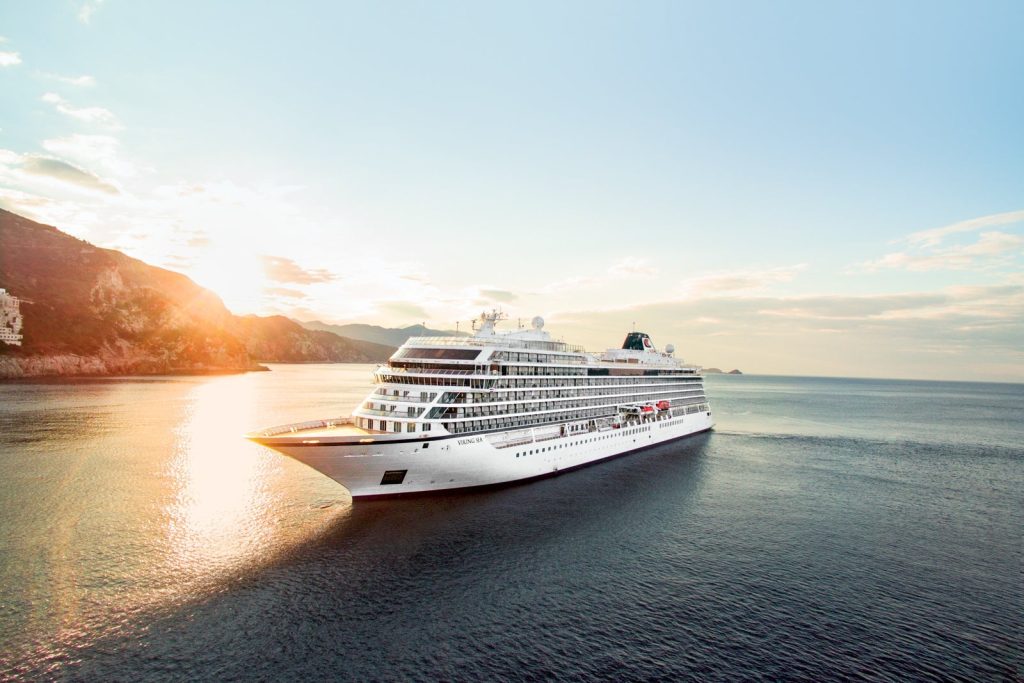
In my experience covering the cruise industry, few companies have managed to simplify their fleet structure as effectively as this particular Scandinavian-inspired cruise line. What strikes me most about their approach is how they’ve managed to operate over 100 vessels while maintaining just three distinct ship categories – a strategy that’s both brilliant and limiting, depending on your perspective.
The Strategic Advantage of Fleet Standardization
This cruise operator has built their success on a principle that I believe more companies should adopt: standardization without sacrificing quality. Their approach of creating nearly identical vessels within each category is frankly genius from an operational standpoint. It reduces training costs, simplifies maintenance, and allows passengers to know exactly what they’re getting regardless of which specific ship they board.
However, this strategy isn’t for everyone. If you’re the type of traveler who enjoys discovering unique features on different ships, you might find this uniformity somewhat disappointing. But for passengers who value consistency and reliability over novelty, this approach is perfect.
Ocean-Going Vessels: The Premium Market Play
The company’s ocean fleet consists of 12 sophisticated vessels ranging from 47,800 to 53,769 tons, designed to carry between 930 and 998 passengers. What I find most impressive about these ships is their focus on adult-oriented luxury without the pretentiousness that often comes with high-end cruising.
These vessels feature Scandinavian-influenced design throughout, with even the smallest cabins offering a generous 270 square feet of space. The ships include elegant three-deck atriums, glass-walled forward lounges, and unique features like thermal suites available to all passengers at no extra charge – something I wish more cruise lines would adopt.
The dining options, including Italian restaurant Manfredi’s and The Chef’s Table with wine pairings, cater to sophisticated palates. The centerpiece pool areas feature retractable glass domes, while secondary infinity pools provide additional relaxation spaces.
Who should choose these ships? They’re ideal for mature travelers seeking refined experiences without children’s programming or flashy entertainment. They’re not suitable for families with young children or passengers seeking budget-friendly options, as the sophisticated atmosphere and higher price point reflect their upscale positioning.
River Vessels: Dominating the Waterway Market
With 90 river ships in their fleet, this company has achieved something remarkable – they control approximately 50% of the North American river cruise market. Their “Longships,” introduced in 2012, revolutionized river cruising through innovative engineering that I consider groundbreaking.
The patented design includes offset corridors that create space for more balcony cabins, squared-off bows that accommodate eight additional cabins compared to competitors, and quieter engines allowing for more rear accommodations. These innovations enable the ships to carry more passengers while maintaining comfort levels, allowing for more competitive pricing.
Each Longship measures between 361 and 443 feet in length, specifically designed to navigate European river locks. The vessels feature one main restaurant, a primary lounge with bar, and casual dining areas including the outdoor Aquavit Terrace. Unlike ocean ships, these vessels don’t include spas or fitness centers – a decision that makes sense given their focus on destination-focused itineraries.
River cruising appeals to travelers who prioritize cultural immersion and scenic cruising over onboard amenities. These ships are perfect for passengers who want to unpack once while visiting multiple destinations, but they’re not ideal for those seeking extensive onboard entertainment or recreational facilities.
Expedition Vessels: Venturing into Extreme Tourism
The company’s newest category consists of two 378-passenger expedition ships designed for polar and remote region exploration. These 30,150-ton vessels represent a significant investment in the growing expedition cruise market, and I believe they’re perfectly positioned to capture luxury-seeking adventure travelers.
These ships feature reinforced hulls for ice navigation, onboard landing craft, kayaks, and even submarines for underwater exploration. The inclusion of “The Hangar” – an enclosed marina allowing protected passenger transfers – represents genuine innovation in expedition ship design.
Every cabin features floor-to-ceiling sliding glass walls that create balcony-like experiences, while maintaining the elegant Scandinavian design aesthetic found throughout the fleet. The ships carry extensive expedition teams including specialized scientists and naturalists.
Expedition cruising suits adventurous travelers willing to pay premium prices for unique experiences in remote locations. These ships aren’t appropriate for passengers with mobility limitations, those seeking traditional cruise entertainment, or budget-conscious travelers, as expedition cruising commands the highest prices in the industry.
Market Positioning and Future Outlook
What impresses me most about this company’s strategy is their aggressive expansion plans. With additional ocean vessels on order through 2031 and potential options extending to 2034, they’re positioning themselves to become larger than several established luxury competitors combined.
Their river fleet expansion continues with 24 new vessels scheduled for delivery through 2028, plus options for 16 more ships through 2032. This growth trajectory suggests confidence in sustained demand for their product offerings.
However, I question whether such rapid expansion might dilute the premium experience that initially differentiated them from competitors. The challenge will be maintaining service quality and exclusivity while dramatically increasing capacity.
Who Benefits Most from This Fleet Structure
This cruise line’s approach works best for travelers who value consistency, adult-oriented experiences, and cultural enrichment over onboard entertainment. Their ships excel for passengers seeking refined atmospheres without stuffiness, and those who appreciate Scandinavian design aesthetics.
The standardized fleet structure particularly benefits repeat customers who can book confidently knowing exactly what to expect. However, this same uniformity might disappoint passengers seeking variety or unique ship-specific features.
In my opinion, this company has successfully carved out a distinctive niche in the cruise market by focusing on what they do well rather than trying to be everything to everyone. Their three-category approach demonstrates that sometimes, simplicity truly is sophistication.