
Unlocking Longevity: Why Mediterranean Eating Patterns Hold the Key to Living Past 100
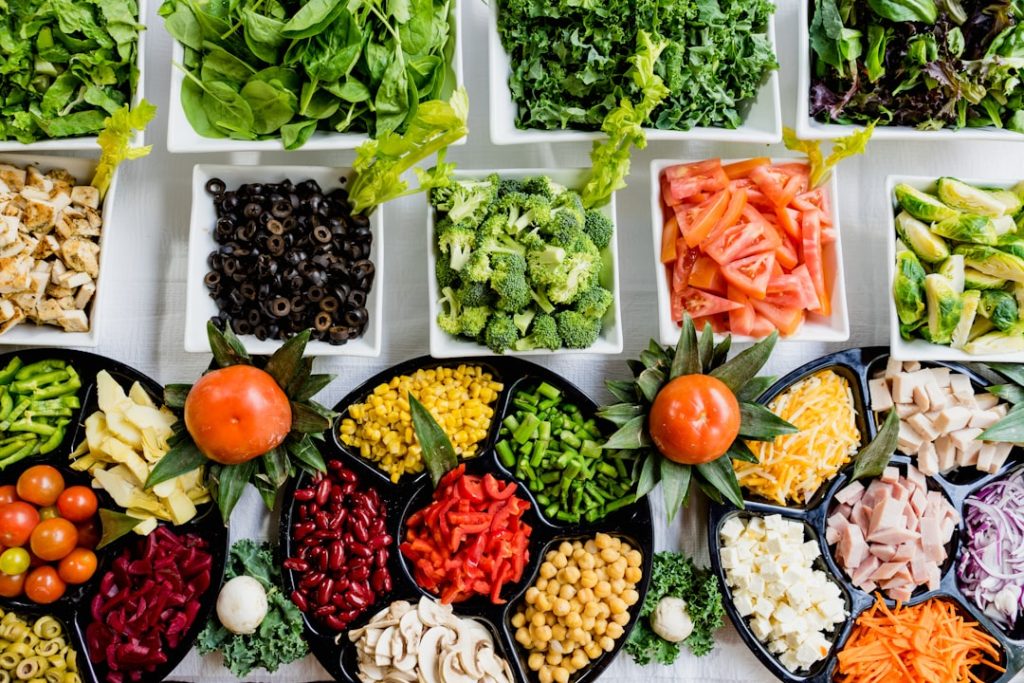
The concept of living to 100 isn’t just a pipe dream—it’s a documented reality in certain regions around the world where centenarians thrive in remarkable numbers. What I find fascinating is how these longevity hotspots, known as Blue Zones, share striking dietary commonalities that challenge our modern approach to nutrition and eating habits.
The Science Behind Longevity Hotspots
Five distinct regions globally have earned recognition as Blue Zones due to their exceptional concentration of people living beyond 100 years: Okinawa in Japan, Costa Rica’s Nicoya Peninsula, the Greek island of Ikaria, Loma Linda in California, and Italy’s Sardinia. What strikes me most about these areas isn’t just their impressive longevity statistics, but how their residents maintain vitality and health well into their golden years.
These communities share three fundamental characteristics: minimal stress levels, robust social connections, and most importantly for our discussion, distinctive dietary patterns that prioritize fresh, local ingredients consumed in a communal setting. I believe this combination offers invaluable insights for anyone serious about extending both their lifespan and healthspan.
Fresh, Seasonal Eating as a Lifestyle Philosophy
The Mediterranean approach to nutrition goes far beyond simply choosing healthy foods—it represents a complete reimagining of our relationship with what we eat. This philosophy centers on seasonal eating, where meals are built around whatever nature provides at its peak freshness and nutritional value.
What I find particularly compelling is how this approach naturally eliminates many of the processed foods that dominate modern diets. When you’re focused on what’s growing locally and seasonally, you’re automatically avoiding the preservative-laden, nutrient-depleted options that fill most grocery store shelves. This isn’t just beneficial for longevity—it’s a more sustainable and economically sensible way to eat.

Take something as simple as a vegetable soup, which can transform throughout the year based on seasonal availability. Spring brings asparagus and broad beans, summer offers tomatoes and fresh herbs, while autumn provides heartier root vegetables. This approach keeps meals interesting while ensuring optimal nutrition year-round.
The Power of Raw Vegetables and Quality Fats
One aspect of Mediterranean eating that I think deserves more attention is the emphasis on consuming raw vegetables. While cooking can enhance certain nutrients, many vitamins and enzymes are heat-sensitive and are best preserved through raw consumption. The Mediterranean practice of celebrating raw vegetables as a centerpiece, rather than relegating them to side salads, maximizes nutritional intake.
Quality fats also play a crucial role in this eating pattern. Unlike the fat-phobic approaches that dominated nutrition advice for decades, Mediterranean diets embrace healthy fats from sources like olive oil, nuts, and fish. These fats are essential for nutrient absorption, brain health, and inflammation reduction—all critical factors in healthy aging.
Wine, Community, and the Social Aspect of Eating
Perhaps the most intriguing aspect of Mediterranean longevity culture is the role of moderate wine consumption, particularly varieties high in antioxidants like the Sardinian Cannonau wine. This isn’t about drinking for the sake of drinking—it’s about moderate consumption within a social context that emphasizes community and connection.
I believe the social component is just as important as the wine itself. Meals become extended social events where conversation flows, stress decreases, and relationships strengthen. This stands in stark contrast to our modern habit of eating quickly, alone, or while distracted by screens. The mental health benefits of communal eating likely contribute significantly to the longevity observed in these regions.

Who Should Consider This Approach
This eating philosophy isn’t for everyone, and I think it’s important to be honest about that. It requires a significant time investment in shopping, cooking, and eating that many people in our fast-paced society simply cannot or will not make. If you’re someone who values convenience above all else, or if you’re dealing with severe time constraints due to work or family obligations, this approach might feel overwhelming.
However, I believe this eating pattern is ideal for individuals who are serious about preventive health care and willing to view food preparation as an investment in their future well-being. It’s particularly valuable for people approaching middle age who want to establish sustainable habits that will serve them well into their later years.
Practical Implementation in Modern Life
The beauty of this approach lies in its adaptability. You don’t need to live in the Mediterranean to adopt these principles. The key is embracing the “kilometer zero” concept—focusing on what’s available locally and seasonally in your area.
Start by developing relationships with local farmers, butchers, and fishmongers. Visit farmers’ markets regularly and let seasonal availability guide your meal planning rather than rigid menu schedules. This approach naturally leads to more varied, nutritious eating while supporting local food systems.
I recommend beginning with simple changes: incorporate more raw vegetables into daily meals, choose quality over quantity when it comes to ingredients, and most importantly, slow down the eating process. Make meals social events when possible, even if it’s just turning off devices and focusing on the food and conversation.
The Bottom Line
While genetics certainly play a role in longevity, the evidence from Blue Zones suggests that lifestyle choices—particularly around food and eating habits—have a profound impact on both lifespan and quality of life. The Mediterranean approach offers a sustainable, enjoyable path toward better health that doesn’t require extreme restrictions or complicated protocols.
What appeals to me most about this philosophy is its emphasis on pleasure and community alongside health benefits. It’s not about deprivation or following rigid rules—it’s about rediscovering the joy in food while nourishing your body for the long term. In our increasingly isolated and processed-food-dependent society, these ancient wisdom traditions offer a compelling roadmap back to both health and happiness.
Photo by Jez Timms on Unsplash
Photo by engin akyurt on Unsplash